



Winter Sunscreen for Kids: Why Your Child Still Needs Sun Protection in Cold Weather
When winter arrives, most parents pack away the sunscreen along with summer gear. But here's a surprising truth: winter sunscreen for kids is just as crucial as summer sun protection. Cold weather doesn't mean weak UV rays, and your child's delicate skin needs year-round defense against sun damage.

Why Kids Need Sunscreen in Winter
The misconception that winter sun is harmless puts millions of children at risk for skin damage every year. UV radiation doesn't take a winter vacation, and in some conditions, winter sun exposure can be even more dangerous than summer sun.
UV Rays Don't Disappear in Winter
UV rays penetrate clouds year-round. In fact, up to 80% of UV radiation can pass through clouds on overcast winter days. While temperatures drop, UV intensity remains significant enough to cause sunburn and long-term skin damage in children.
Snow Reflection Amplifies UV Exposure
Fresh snow reflects up to 80% of UV radiation, nearly doubling your child's sun exposure. Children playing in snow receive UV rays from both the sun above and reflected rays from below. This double exposure makes winter sunscreen for kids absolutely essential during snowy outdoor activities.
Higher Altitude Increases UV Risk
UV intensity increases about 10-12% for every 1,000 feet of elevation gain. Mountain resorts and ski areas expose children to significantly stronger UV radiation than sea-level locations, even in freezing temperatures. Families who travel to winter destinations for skiing, snowboarding, or mountain hiking must prioritize sun protection.
Common Winter Sun Protection Myths
Myth 1: Cold Weather Means Weak UV Rays
Temperature and UV intensity are unrelated. The cold numbs skin, masking sunburn pain until damage is already done, making children especially vulnerable to overexposure.
Myth 2: Cloudy Days Don't Require Sunscreen
Clouds block only 10-20% of UV radiation. Gray winter days still deliver substantial UV exposure to unprotected skin.
Myth 3: Clothing Provides Enough Protection
Winter clothing covers most skin but leaves faces, ears, and necks exposed. These areas receive concentrated UV exposure during winter outdoor activities.
Best Winter Sunscreen for Kids: What to Look For
SPF 30 or Higher for Winter Conditions
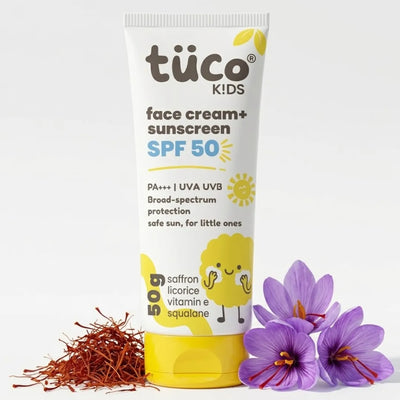
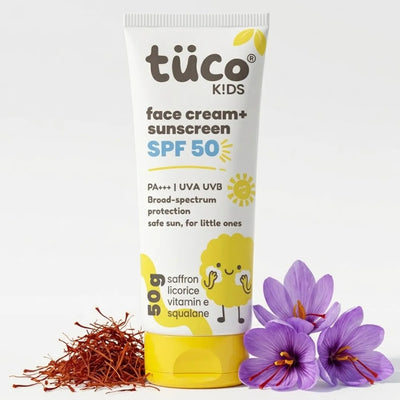
SPF 30 blocks approximately 97% of UVB rays, while SPF 50 blocks about 98%. For winter conditions with snow reflection and altitude, SPF 50 sunscreen for kids provides optimal protection. Choose broad-spectrum formulas that protect against both UVA and UVB radiation.
Winter sunscreen for kids should include moisturizing ingredients to combat cold, dry air. Look for formulas with zinc oxide or titanium dioxide for physical sun blocking, water-resistant formulas for snow play, and fragrance-free options for sensitive skin.
How to Apply Sunscreen for Kids in Winter
Application Timing and Technique

Apply sunscreen 15-30 minutes before going outside, allowing proper absorption. In winter, warm the sunscreen bottle in your hands before application to make spreading easier on cold skin. Pay special attention to face (especially nose and cheeks), ears and back of neck, lips with SPF lip balm, and hands if not wearing gloves.
Reapplication During Winter Activities
Reapply sunscreen every two hours during outdoor winter activities. For skiing or snowboarding, reapply at lunch breaks and every two hours of active time. Water-resistant formulas last longer but still require regular reapplication for maximum protection.
Winter Sun Safety for Different Activities
Skiing and Snowboarding Protection
Ski slopes present extreme UV exposure from altitude and snow reflection. Apply generous amounts of SPF 50 sunscreen before hitting slopes. Pack travel-size sunscreen in pockets for mid-day reapplication.
Everyday Winter Outdoor Play
Even 15-20 minutes of winter outdoor play requires sunscreen. School recess, walking to bus stops, and brief backyard activities accumulate UV exposure over time. Make daily winter sunscreen part of morning routines.
Combining Sunscreen with Winter Moisturizers
Layering Skincare in Cold Weather
Apply moisturizer first, then sunscreen as the final skincare layer. This prevents winter dryness while ensuring UV protection stays on skin's surface. For extremely dry winter skin, use a rich moisturizing lotion, wait 2-3 minutes for absorption, then apply sunscreen.
All-in-One Options
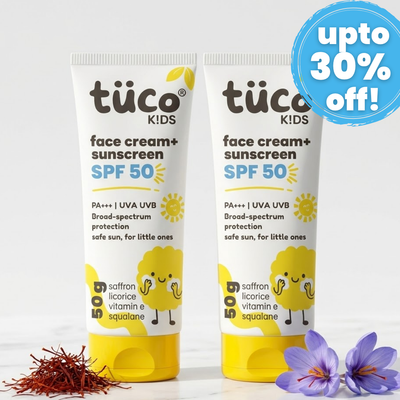
Some winter face cream with SPF protection work well for daily use. While convenient, ensure they provide at least SPF 30 and broad-spectrum coverage. These work well for quick application but may not offer enough protection for extended outdoor winter activities.

Signs of Winter Sun Damage in Children
Recognizing Sunburn in Cold Weather
Winter sunburn often goes unnoticed until evening when redness appears. Cold air numbs skin, masking burning sensations. Watch for pink or red skin (especially on face and ears), warm-to-touch areas despite cold exposure, complaints of tender skin during bath time, and peeling skin days after winter activities.
Windburn vs Sunburn
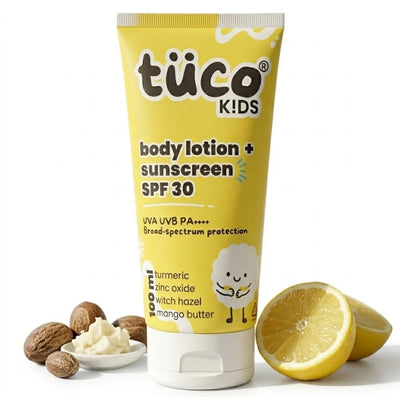
Windburn and sunburn often occur simultaneously in winter. Windburn results from cold, dry air stripping skin's moisture barrier. Sunburn comes from UV radiation. Prevent both by applying sunscreen plus moisturizing body lotion.
Building Winter Sun Safety Habits
Store winter sunscreen near coat hooks or by the front door. Visual reminders help establish daily application habits. Keep travel bottles in car, diaper bags, and backpacks for on-the-go protection.
Explain to children that sun protection isn't seasonal. Help them understand that sunscreen for winter activities keeps their skin healthy, just like sunscreen at the beach. Start these habits young to establish lifelong sun safety practices.
Winter sunscreen for kids isn't optional—it's essential for protecting developing skin from year-round UV damage. Make winter sun protection as automatic as summer sunscreen. Choose age-appropriate, moisturizing formulas with SPF 30-50 and broad-spectrum coverage. Apply generously to all exposed areas before outdoor activities and reapply every two hours. UV rays don't hibernate in winter, and neither should your sun protection habits.