




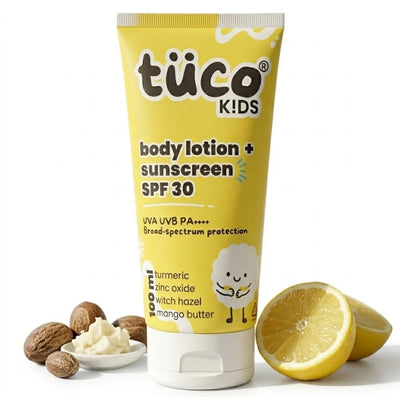




Sunscreen for Swimming for Kids: Why Timing Matters More Than SPF Number at the Pool or Beach
Parents usually focus on choosing the highest SPF number when preparing their kids for a swimming session. While SPF 30 or SPF 50 is important, timing often plays a bigger role in how well sunscreen protects the skin. The way sunscreen behaves on a child’s skin changes the moment they enter water, sweat under the sun or wipe their face with a towel. This is why the timing of application, reapplication and overall sun exposure often matters more than the SPF printed on the bottle.

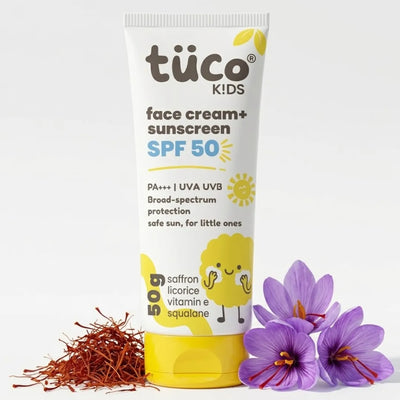
Understanding how sunscreen interacts with water, skin and sunlight helps parents maintain consistent protection during pool play or beach time. This becomes especially important with kids who stay active, move constantly and experience more friction than adults. To ensure that children are adequately protected while enjoying water activities, it's essential to pay attention to the SPF level and water resistance features of the sunscreen. Choosing the right sunscreen for swimming not only shields their delicate skin from harmful UV rays but also withstands the rigors of splashing and active play. Parents should reapply sunscreen every two hours or immediately after swimming to maintain maximum effectiveness.
Why SPF Number Alone Cannot Guarantee Protection
1. SPF Values Are Tested on Dry Skin
Sunscreen SPF numbers are based on laboratory testing done on dry skin in controlled indoor conditions. Swimming, sweating, heat and sand reduce real life effectiveness. Once sunscreen is exposed to water, the actual protection rarely matches the SPF label.
This means SPF 50 does not stay SPF 50 once children are in the pool.
2. Sunscreen Film Needs Time To Set
Sunscreen forms a protective film on the surface of the skin. This film needs time to settle. If a child jumps into the pool right after application, the sunscreen has not bonded properly to the skin and its protection drops quickly.
3. Water Breaks Down Sunscreen Film Faster
Even water resistant sunscreen for swimming for kids has time limitations. Water resistance is typically rated for 40 or 80 minutes. After that, the sunscreen film weakens, regardless of SPF number.
4. Friction Removes Sunscreen More Than UV Rays
Towels, swim goggles, rubbing eyes and adjusting swimsuits all remove sunscreen film. These actions break the protective layer within minutes, regardless of SPF strength.
Why Timing Is More Important Than SPF
1. Pre Swim Application Timing
The most important step is applying sunscreen at least 15 to 20 minutes before entering the water. This gives the formula enough time to bond with the skin surface.
Sunscreen applied too late:
-
washes off faster
-
becomes patchy
-
provides inconsistent UV protection
-
leads to uneven tanning
Good timing helps sunscreen resist water better and stay more stable during swimming.
2. Reapplication Timing During Water Play
Reapplying sunscreen is more important than choosing SPF 50 or SPF 70. Water, sweat and friction reduce SPF over time. Once the sunscreen film thins out, the SPF number no longer matters.
Reapply:
-
every 40 to 80 minutes depending on water resistance
-
after wiping with a towel
-
after long underwater play
-
after sand contact at the beach
Consistent timing provides stronger protection than relying on a single high SPF application.
3. Timing Based on Sun Intensity
UV rays are strongest during mid day hours. Sunscreen for swimming for kids needs more frequent reapplication during:
-
10 AM to 3 PM
-
peak summer months
-
beach days with high reflection from water and sand
The best protection comes from matching sunscreen timing with real outdoor conditions.
4. Timing Matters for Sensitive Skin
Sensitive skin loses moisture and sunscreen film faster. Children with dryness, irritation or eczema prone skin need closer attention to timing.
For sensitive skin:

-
apply sunscreen on moisturized skin
-
give 20 minutes for absorption
-
reapply more often than usual
-
avoid long gaps between sunscreen layers
Correct timing reduces irritation and prevents rashes caused by uneven UV exposure.
How Parents Can Use Timing To Improve Sun Safety
1. Layer Correctly
Start with a thin layer. Allow it to settle. Then apply a second thin layer on high exposure zones like shoulders, nose, cheeks and neck.
2. Plan Pool Entry Time
If swimming starts at 4 PM, sunscreen should go on at 3:40 PM. This ensures the film is fully formed when the child enters water.
3. Use UPF Swimwear To Reduce Timing Pressure
UPF clothing covers large body areas and reduces the need for frequent SPF reapplication. This is helpful during long pool breaks.
4. Avoid Applying Sunscreen on Wet Skin
Wet skin thins out the sunscreen film and reduces its stability. Dry the skin gently before reapplying.
Strengthening the Skin Barrier To Improve Sunscreen Performance

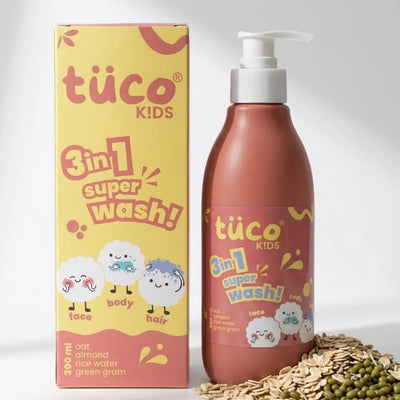
Focusing on barrier support allows sunscreen to perform better, reduces friction based irritation and helps children stay comfortable during long outdoor sessions. This routine keeps the skin ready for the next application of sunscreen and improves the overall effectiveness of sun protection at the pool or beach.
Supporting the skin barrier with gentle care and proper hydration helps sunscreen stay effective, reduces irritation, and keeps children’s skin healthy, resilient, and comfortable during outdoor play.