


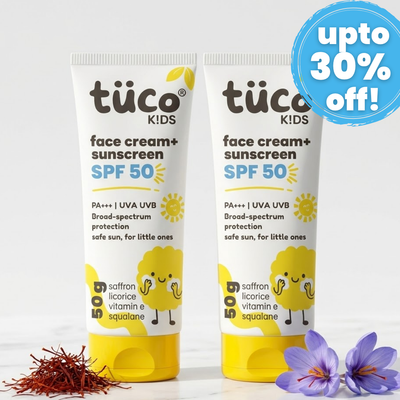


Sunscreen for Swimming for Kids: Why It Breaks Down in Water and How to Keep It Working Longer
Parents expect sunscreen to stay on during swimming, but reality is different. Even the best sunscreen for swimming for kids loses strength in water due to science, movement and friction. Understanding how SPF breaks down helps you protect your child better during pool time or beach play.

How Sunscreen Changes When Kids Swim
Sunscreen is formulated to create a film on the skin. When kids enter water, this film begins to shift, dilute, and thin out.
-
Chlorine weakens the sunscreen film
Pool water contains chlorine, a strong chemical that can destabilize and break down UV filters in sunscreen. When kids swim, chlorine causes the sunscreen layer to dissolve or separate more quickly, making its protection uneven after just 20–40 minutes. This means even a high SPF sunscreen won’t work properly unless it is water-resistant and reapplied after swimming. Children who spend long periods in the pool are especially at risk of sunburn if sunscreen isn’t topped up regularly. -
Saltwater pushes sunscreen off the skin
Sea or beach water is filled with salt particles that can interfere with sunscreen. When the skin dries after coming out of the ocean, salt crystals remain on the surface. These rough particles can scratch or lift the sunscreen film, causing it to wear off faster. Kids who keep going in and out of the water lose protection more quickly, making frequent reapplication essential to prevent tanning and irritation. -
Plain water dilutes the SPF layer
Even when children are playing in fresh or non-chlorinated water, sunscreen absorbs water and becomes thinner. This reduces its ability to block harmful UVA and UVB rays. Without a strong film on the skin, sun exposure can cause faster burning, dryness, and long-term damage. Ensuring water-resistant sunscreen and regular reapplication helps maintain protection during all types of water play.
Why Water Resistance Has Time Limits?
Many parents assume “water-resistant” means waterproof. But water resistance is measured in controlled conditions for 40 or 80 minutes only.
What this actually means:
-
After 40 or 80 minutes of swimming, the SPF rating is no longer accurate.
-
Reapplication is the only way to restore protection.
-
Heavy splashing, diving, or rubbing shortens the effective duration further.
Water resistance is not a guarantee: it is a timed performance window.
Friction Removes Sunscreen Faster Than Water
Children constantly touch their face and body while they swim. Every type of friction removes sunscreen faster than water alone:
-
Towels
Drying the skin with a towel after swimming or sweating can instantly remove 70–90% of sunscreen, even if the formula is water-resistant. The friction from wiping or patting breaks the protective SPF layer, leaving the skin exposed to UV rays. This is one of the most common reasons kids get sunburned at the beach or pool, even after applying sunscreen correctly. -
Swim goggles
The tight edges of swim goggles rub against the skin around the eyes, removing sunscreen from high-risk areas such as the nose bridge, temples, and upper cheeks. These spots are often the first to burn because they receive direct sunlight and have thinner skin. For children who swim regularly, applying a water-resistant mineral sunscreen can help maintain better protection. -
Rubbing eyes and wiping the face
Kids often rub their eyes or wipe sweat during outdoor sports or water play. When sunscreen mixes with water, sweat, and friction, the SPF layer becomes weak and slides off the skin. This makes reapplication essential every 2–3 hours, especially during active play, swimming, or sports. -
Sand
At the beach, sand acts like a gentle exfoliant. When it rubs against the skin, it can scrape off sunscreen layer by layer. This leaves children vulnerable to sunburn, tanning, and UV damage even if SPF was applied earlier. Choosing a long-wearing, water-resistant sunscreen and reapplying after sand exposure helps maintain better protection.
This is why parents often see patches of tan even after applying a high-SPF formula. Optimizing sunscreen use and understanding these factors helps ensure long-lasting SPF protection during swimming, sports, and outdoor activities.
Best Sunscreens for Swimming in Kids
Choosing the right sunscreen for swimming ensures long-lasting protection during pool time, beach play, and water sports. The best sunscreens for kids who swim share certain characteristics that help them stay effective even with constant water exposure, rubbing, and sweat.
-
Water-Resistant Formula (40–80 Minutes)
Look for sunscreens labeled water-resistant for 40 or 80 minutes. This means the SPF protection remains active while the child is in water. Water-resistant formulas hold onto the skin better and reduce the chance of fast sunburn during repeated pool or ocean dips. -
Broad-Spectrum Protection (UVA + UVB)
A broad-spectrum sunscreen protects children from both UVA rays (responsible for skin aging and long-term damage) and UVB rays (which cause tanning and sunburn). This is especially important during swimming, where reflected sunlight increases UV exposure. -
Mineral-Based Ingredients (Zinc Oxide or Titanium Dioxide)
Sunscreens with zinc oxide or titanium dioxide form a protective layer on the skin rather than absorbing into it. This makes them gentler and more stable in water. Mineral sunscreens are ideal for sensitive skin, preventing irritation from chlorine, saltwater, and sun. -
Non-Greasy, Sweat-Resistant Texture
A non-greasy sunscreen stays in place better and doesn’t drip into the eyes when kids swim or sweat. Sweat-resistant textures also help ensure consistent UV protection during outdoor sports and active play. -
Rub-Resistant Technology
Kids often towel dry, wipe their face, or adjust swim goggles. Rub-resistant or film-forming sunscreens create a stronger layer that doesn’t easily break down with movement or friction, helping maintain SPF effectiveness longer. -
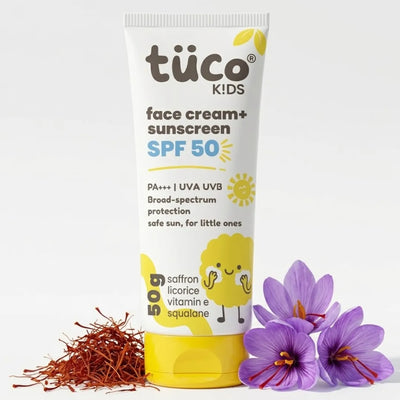
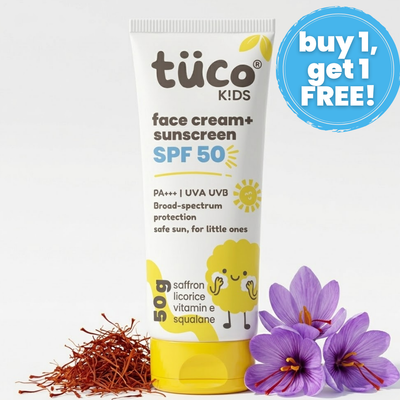
SPF 50 or Higher
For water exposure, SPF 50 sunscreen provides stronger and longer protection against harsh sunlight. Swimming increases UV intensity because water reflects sunlight, making higher SPF essential to prevent tanning, burning, and dryness. -
Gentle and Fragrance-Free Formulation
Sensitive or swimming-prone skin can react to chlorine, salt, and artificial fragrances. A gentle, fragrance-free sunscreen minimizes irritation and keeps the skin comfortable during long beach days or pool sessions.
Choosing a sunscreen with these characteristics helps protect kids effectively during swimming, beach activities, and outdoor sports, making sun protection reliable, long-lasting, and more parent-friendly.

How to Keep Sunscreen Working Longer While Swimming
Instead of listing products, here are behavioral and application-based techniques aligned with child-friendly skincare:
1. Apply Enough Sunscreen
Use a generous layer, most parents apply only 25–50% of what children need for proper SPF.
2. Apply 15–20 Minutes Before Swimming
Sunscreen needs time to bind to skin. Applying poolside reduces effectiveness.
3. Reapply Every 40–80 Minutes
Match your reapplication window to the water resistance time.
4. Reapply After Toweling
Even a gentle pat with a towel removes the protective layer.
5. Use Water-Resistant Formulas for Swimming Sessions
Water-resistant sunscreen creates a stronger film on the skin, making it more suitable for swimming, sweating, pool time and beach days.
Post-Swim Skincare and Shampoo Care for Kids Exposed to Chlorine
After swimming, children’s skin and scalp often hold onto chlorine, saltwater, and pool chemicals that can lead to dryness, itchiness, or irritation if not cleansed properly. A simple post-swim routine helps maintain a healthy skin barrier and keeps their hair comfortable even after frequent pool days.
1. Use a Gentle, Child-Friendly Shampoo
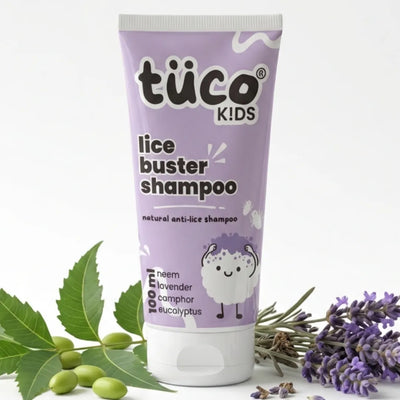
Kids need a mild shampoo that can lift away chlorine and pool residue without stripping natural oils. Harsh cleansers remove essential moisture, leaving the scalp dry or flaky.
A gentle shampoo:

-
washes out chlorine effectively
-
keeps the scalp balanced
-
prevents dryness after repeated swims
2. Cleanse the Skin With a Mild Body Wash
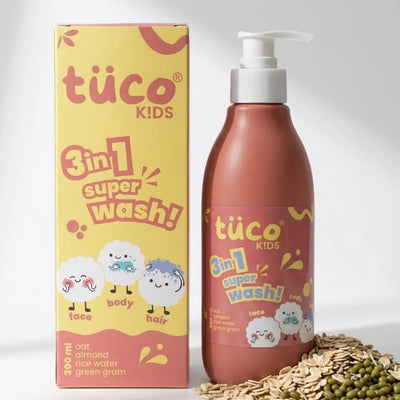
Chlorine often sits on children’s skin even after rinsing with plain water. A kid-safe, mild body wash removes this residue while keeping the skin barrier intact. Ingredients that hydrate and soothe help prevent that tight, dry feeling kids get after long hours in the pool.
3. Replenish Moisture With a Light Lotion
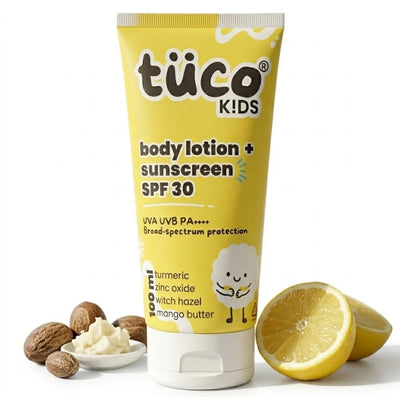
Swimming + sun exposure can dehydrate children’s skin. Applying a lightweight, non-greasy lotion helps restore moisture and reduce irritation. This also keeps the skin comfortable before the next sunscreen application.
Why Post-Swim Care Matters
-
Proper cleansing removes chlorine so the skin doesn’t stay irritated
-
A balanced scalp reduces dryness, itchiness, and product buildup
-
Hydrated skin helps sunscreen adhere better during the next swim session
-
A simple routine supports overall skin health, especially for kids who swim often
This kind of post-swim care keeps children’s skin and hair healthy, making swimming more comfortable and reducing the effects of chlorine exposure.