








Sunscreen for Swimming for Kids: What Parents Must Know About Sensitive Skin, Rashes and Pool Reactions
Children with sensitive skin often react faster to sunlight, chlorine, saltwater and certain sunscreen ingredients. When a child swims regularly, the combination of UV exposure, water friction and pool chemicals can trigger rashes, redness, bumps or itching even after using sunscreen for swimming for kids. Parents may notice that their child develops irritation around the cheeks, chest, neck, arms or the backs of the legs soon after a swim session.

Sensitive skin requires a different approach to sun protection. It is not only about choosing the right sunscreen but understanding how the skin behaves during swimming and how to support the skin before and after sun exposure. This blog focuses on the real reasons sensitive skin struggles at the pool or beach and ways parents can prevent irritation, rashes and delayed reactions.
Why Sensitive Skin Reacts Faster During Swimming
1. Weaker or Thinner Skin Barrier
Sensitive skin has a more fragile protective barrier. When children swim, water causes natural oils to rinse away. Chlorine increases dryness. As a result, UV rays penetrate more quickly and irritants enter the skin more easily.
This can cause:
-
redness that appears within minutes
-
burning sensations
-
dry patches after swimming
-
increased sensitivity to sunscreen ingredients
2. Increased Water Absorption
Kid’s skin absorbs water more quickly than adult skin. Sensitive skin absorbs even more water, which causes swelling of the outer layer of skin. This makes the sunscreen film break apart faster, leading to patchy protection during swimming.
3. Chlorine Sensitivity
Children with eczema prone or reactive skin often show strong reactions to chlorine. Chlorine removes moisture from the skin and disrupts the natural barrier. This allows UV rays and irritants to attack the skin with greater intensity.
Signs of chlorine sensitivity include:
-
rough texture on cheeks and arms
-
small bumps that appear after swimming
-
stinging sensation immediately after entering the pool
- flare ups in areas with pre existing drynessIn cases of flare ups always follow up with gentle soothing gel for fast relief relief.
4. Friction Sensitivity
Sensitive skin reacts severely when sunscreen rubs off due to:
-
towels
-
swim goggles
-
rubbing eyes
-
adjusting swim gear
-
sliding on pool edges
Friction removes sunscreen quickly, exposing sensitive skin to UV rays. Even short gaps in protection lead to discomfort.
Rashes Children Can Get From Swimming
Sensitive skin can develop different types of rashes depending on the trigger. Recognizing them helps parents respond correctly.
1. Chlorine Rash
A chlorine rash is not an allergy. It is irritation. It presents as:
-
red, itchy patches
-
dryness that worsens after showering
-
tiny bumps around the torso and arms
-
rough skin on cheeks and forehead
Children with eczema or naturally dry skin are more prone to this. In cases of flare ups always follow up with gentle soothing gel for fast relief relief.
2. Sun Reaction Rash
When sunscreen thins out and UV rays reach the skin, children may get a rash that looks like:
-
small red dots
-
warm or sensitive skin
-
tan lines that appear uneven
-
redness around neck and shoulders
This happens because sensitive skin reacts quickly to heat and UV exposure.
3. Sweat and Sunscreen Interaction Rash
When sweat mixes with sunscreen in hot weather, sensitive skin may react. The reaction can show as:

-
stinging sensation
-
clogged pores
-
small bumps on chest or back
This happens more often with children who swim and run around in between sessions.
4. Sand Friction Rash
At the beach, sand sticks to sunscreen and rubs against wet skin. This can cause:
-
abrasions
-
red patches
-
itchy bumps
Sensitive skin reacts strongly to this type of mechanical irritation.
How to Use Sunscreen Safely on Sensitive Skin
Kids with sensitive skin need extra care when applying sun protection, especially during outdoor play, swimming, or sports. Choosing the right sunscreen and applying it correctly helps prevent irritation, redness, and discomfort while still giving strong SPF protection.
1. Choose Gentle, Mineral-Based Sunscreens
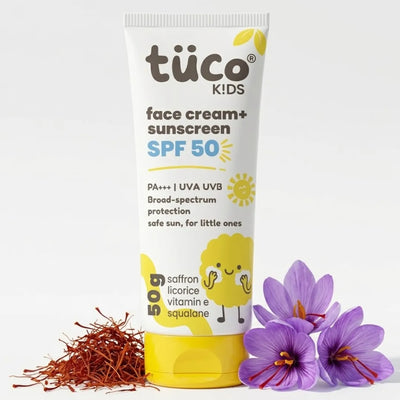
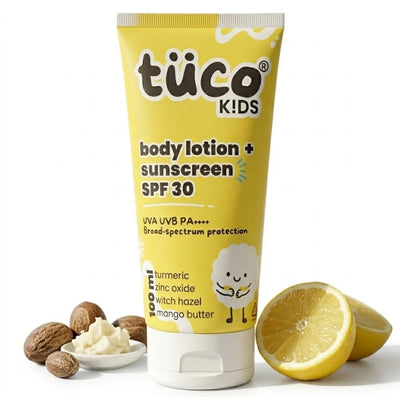
For sensitive or reactive skin, the best choice is a mineral sunscreen with zinc oxide or titanium dioxide. These ingredients sit on the skin’s surface rather than absorbing into it, making them soothing, non-irritating, and ideal for children prone to rashes, itching, or eczema. Look for labels like “fragrance-free,” “hypoallergenic,” and “for sensitive skin.” Avoid chemical filters, added perfume, alcohol, and essential oils, as these can trigger irritation.
2. Use Lightweight, Non-Stinging Formulas Around the Face
Areas like around the eyes, nose, and cheeks are more delicate and may react more easily. A non-greasy, gentle sunscreen for sensitive skin prevents stinging, burning, or dryness. Cream-based or lotion textures usually feel more comfortable and protective than sprays or gels for sensitive skin types.
3. Patch Test Before Regular Use
Before applying sunscreen all over, do a patch test behind the ear or on the inner forearm. Wait 24 hours to ensure there is no redness, itching, or reaction. This step is especially important for kids with eczema, dermatitis, or allergy-prone skin. Patch-testing helps avoid discomfort and ensures the sunscreen is safe for daily use.
4. Apply Properly and Reapply Gently
Apply sunscreen 15–20 minutes before going outdoors to allow the formula to settle and form a protective layer. Use a gentle dabbing motion instead of rubbing aggressively, especially on dry or irritated skin. Reapply every 2–3 hours, and after swimming or sweating, but avoid harsh wiping or tugging on sensitive areas.
Using the right kid-friendly sunscreen for sensitive skin, combined with gentle application habits, helps protect delicate skin from UV damage while keeping irritation, burning, and redness away.
Other Ways To Protect Sensitive Skin During Swimming
1. Use UV Protective Swimwear
UPF 50 swimwear reduces how much sunscreen sensitive skin needs. This lowers the risk of irritation. Full sleeve swim tops and swim leggings offer consistent coverage even when sunscreen fades.
2. Rinse Immediately After Swimming
Removing chlorine or saltwater as soon as possible prevents prolonged irritation. Sensitive skin reacts strongly to residue left on the skin.
3. Avoid Hot Sun Peaks
Sensitive skin burns faster during mid day hours. Swimming under partial shade or during cooler times prevents flare ups.
Gentle Post Swim Care for Kids With Sensitive Skin
