


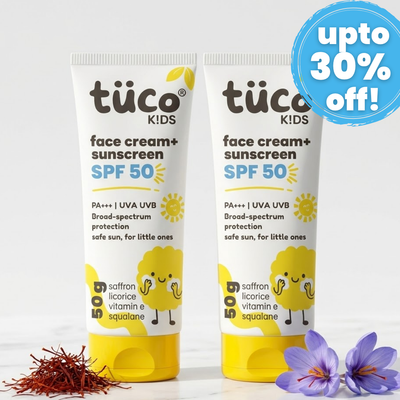


Sunscreen for Swimming for Kids: The Biggest Myths About ‘Waterproof’ SPF You Should Stop Believing
Parents often rely on the term waterproof when choosing sunscreen for swimming for kids. The wording gives a sense of long lasting protection even during intense pool play, beach time or outdoor activity. However, waterproof SPF does not exist. Sunscreen formulas can be water resistant but never fully waterproof, and misunderstanding this difference exposes children to higher risks of tanning, redness and sunburn. Additionally, it is crucial for parents to frequently reapply sunscreen, especially after their child has been swimming or sweating. Understanding waterproof SPF products means recognizing the need for regular applications to ensure optimal protection. Educating both yourself and your children about sun safety can significantly reduce the risks associated with UV exposure.

This blog breaks down the most common myths about waterproof SPF, why these beliefs continue to circulate and what parents should expect from a truly water resistant sunscreen for kids. Understanding these myths helps improve sun protection during swimming without confusion or over reliance on product claims.
Myth 1: Waterproof SPF Means Sunscreen Stays On All Day
There is no sunscreen that can stay on through hours of swimming. The term waterproof is banned in most regions because it misleads parents. All sunscreens wash off, wear down or thin out when exposed to water, sweat or friction.
Why this matters for kids:
-
Children move constantly in water
-
Sunscreen film becomes patchy within 20 to 40 minutes
-
Splashing, rubbing and diving speed up the breakdown
A water resistant sunscreen for swimming for kids can hold better, but only for a limited time. Parents must reapply to restore full SPF coverage.
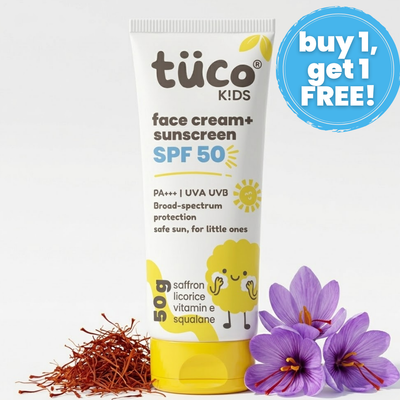
A water-resistant sunscreen for kids stays effective during swimming, sweating, or outdoor sports, protecting the skin for 40–80 minutes even in wet conditions. Choose a gentle, child-friendly sunscreen formula and reapply after water play or towel drying to maintain full UV protection. This helps prevent quick tanning, sunburn, and irritation during pool or beach activities.
Myth 2: Water Resistant Means the SPF Number Stays Accurate
Water resistant sunscreen maintains some level of protection in water but the SPF number on the bottle is not the actual strength during swimming. Water reduces the film, mixes with the sunscreen and dilutes the protective layer.
What actually happens:
-
SPF 50 does not remain SPF 50 once submerged
-
UV protection reduces slowly as the film thins
-
Chlorine or saltwater speed up the breakdown
-
SPF becomes uneven across different parts of the body
The SPF number is tested in dry conditions. Swimming lowers it significantly.
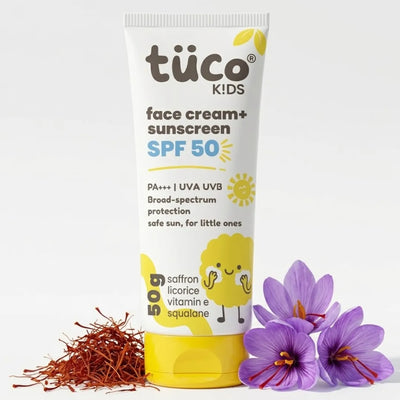
Use a broad-spectrum, SPF 50 sunscreen that is water-resistant and gentle, preferably mineral-based with zinc oxide or titanium dioxide for sensitive skin. Apply it generously 15–20 minutes before sun exposure, covering the face, neck, ears, shoulders, and other exposed areas. Reapply every 2–3 hours, especially after swimming, sweating, or towel-drying. Choosing a lightweight, fragrance-free formula ensures better comfort and protection during outdoor play or swimming.
Myth 3: If Sunscreen Is Water Resistant, You Do Not Need to Reapply Often
This is one of the most common misunderstandings. Water resistant formulas are only tested for two categories:
Labels like
40 minute water resistance
80 minute water resistance
This does not mean protection lasts that entire time in real conditions. Kids rub sunscreen off faster through:
-
towel drying
-
adjusting swimsuits
-
rubbing eyes
-
sliding hands across the face
-
wearing goggles
-
playing in sand
Parents should reapply every 40 to 80 minutes regardless of label claims.
Myth 4: Waterproof Sunscreen Protects Sensitive Skin Better
Sensitive skin reacts quickly to chlorine, saltwater and fragrance. A label that says water resistant does not automatically make a sunscreen suitable for sensitive skin.
Sensitive skin needs:
-
stable UV filters
-
formulas that avoid irritation
-
sunscreen that maintains film integrity in water
-
gentle ingredients
-
proper reapplication
A water resistant claim does not guarantee any of these benefits.
A mineral sunscreen protects sensitive skin better because it uses gentle ingredients like zinc oxide or titanium dioxide that sit on the surface and reflect UV rays instead of absorbing into the skin. These formulas are less likely to cause irritation, making them ideal for kids with eczema, redness, or easily reactive skin. Mineral sunscreens also offer consistent, reliable protection during outdoor play and swimming.

Myth 5: Thick Sunscreen Means Better Water Protection
Parents often apply a heavy layer thinking thickness equals durability. A thick layer can actually cause:
-
patchy film formation
-
uneven spread
-
faster lifting of sunscreen in water
-
clogging of sweat ducts during heat
Sunscreen for swimming for kids works best in even, thin layers applied twice before entering the water.
Myth 6: Waterproof SPF Eliminates the Need for Swimwear Protection
Many parents assume that if sunscreen is water resistant, UPF swimwear becomes less important. In reality, high quality swimwear gives more consistent protection than any sunscreen during swimming.
Why UPF swimwear matters:
-
stays protective even as sunscreen fades
-
prevents missed spots on shoulders, chest and back
-
reduces how much SPF is needed
-
protects sensitive skin from irritation
-
avoids friction based removal of sunscreen
Sunscreen and UPF swimwear work together, not separately.
Myth 7: Sunscreen Protects Instantly Before Swimming
Most sunscreens need at least 15 minutes to adhere to the skin before swimming. Entering water immediately dilutes a fresh layer and weakens its protection.
Sensitive skin especially needs settling time so the film forms properly and reduces irritation during swimming.
A realistic understanding helps parents plan better pool sessions.
Water resistant sunscreen can:

-
survive brief water exposure
-
offer limited protection while swimming
-
reduce the rate of sunburn
-
help protect sensitive skin when applied correctly
Water resistant sunscreen cannot:
-
stay fully effective for hours
-
maintain the full SPF rating underwater
-
protect against friction removal
-
replace UPF swimwear
-
protect if used sparingly or without reapplication
Choosing sunscreen for swimming for kids is about understanding performance limitations, not relying on marketing terms like waterproof.
Post Swim Care for Kids With Delicate or Sensitive Skin
Kids who swim regularly need more than sunscreen to stay comfortable. Chlorine, saltwater and sun exposure leave residue on the skin and scalp, which can dry out delicate skin or make existing sensitivity worse. A gentle post swim routine helps restore balance and prepares the skin for the next sunscreen application. In addition to a proper skincare routine, it's crucial for parents to educate their kids about the importance of covering burn risk zones while swimming. Areas like the shoulders, back, and tops of the feet are particularly vulnerable and should receive extra attention when applying sunscreen. Regularly reapplying sunscreen throughout the swimming session will also help ensure that these sensitive areas are adequately protected.
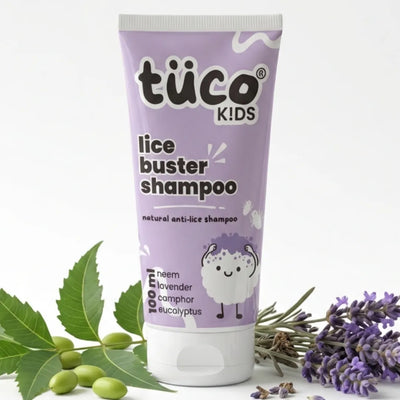
Parents should rinse off pool water as soon as the child comes out of swimming. This prevents chlorine from settling into the pores and reduces the chance of irritation. A mild shampoo that removes chlorine without stripping natural oils helps keep the scalp calm and reduces flakiness after frequent pool days.
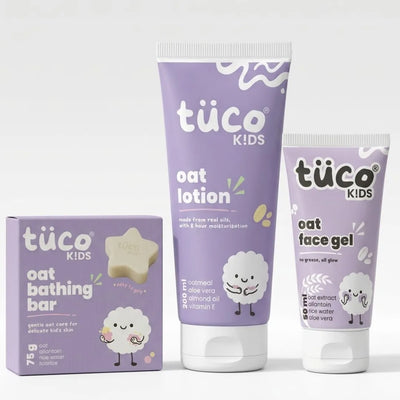
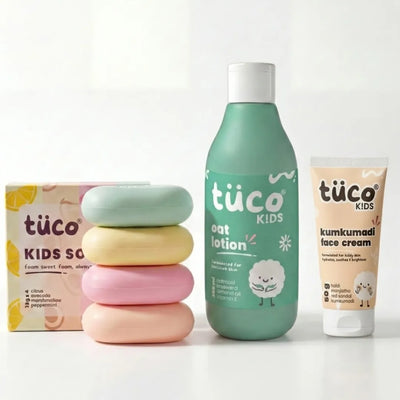
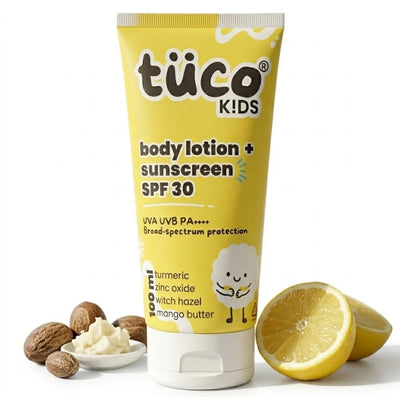
A gentle, hydrating body lotion that restores moisture and supports the skin barrier helps prevent dryness, redness, and irritation after swimming. It keeps the skin soft, balanced, and comfortable, especially for children who swim often.
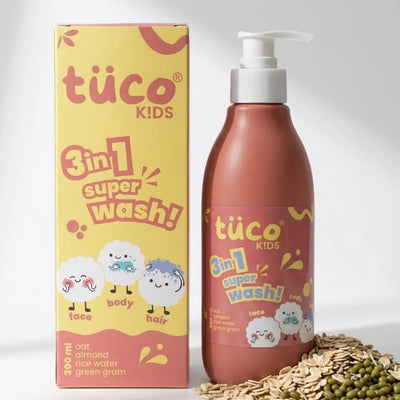
A child friendly body wash is helpful because it clears sunscreen buildup and pool chemicals gently. Sensitive skin often needs more hydration, so using a lightweight, fragrance free lotion supports the skin barrier after washing. Hydration is essential for kids who react easily to sun, chlorine or sweat.
When the skin barrier is strong, sunscreen spreads more evenly and lasts longer in water. A simple routine of gentle cleansing and replenishing moisture helps maintain skin comfort, improves sunscreen performance and supports overall skin health for children who spend time in the pool or at the beach.