



SPF 30 or SPF 50: How to Pick the Right Sunscreen Based on Your Child’s Routine
SPF 30 or SPF 50: How to Pick the Right Sunscreen Based on Your Child's Routine

Choosing the right sunscreen for your child isn't just about grabbing the first bottle you see on the shelf. With so many options available, parents often find themselves confused between SPF 30 and SPF 50 sunscreen for kids. The truth is, the best choice depends entirely on your child's daily routine, skin type, and activity level.
Understanding how to select the right SPF for children can make a significant difference in protecting their delicate skin from harmful UV rays while ensuring they stay comfortable throughout the day.
Understanding SPF: What Do the Numbers Really Mean?
SPF stands for Sun Protection Factor, which measures how well a sunscreen protects against UVB rays, the primary cause of sunburn. SPF 30 blocks approximately 97% of UVB rays, while SPF 50 blocks about 98%. Though the difference seems minimal, that extra 1% can matter significantly depending on your child's exposure level.
Many parents wonder, "Is SPF 50 better than SPF 30 for kids?" The answer isn't always straightforward. While higher SPF offers slightly more protection, proper application and reapplication matter more than the SPF number alone.
When SPF 30 Is Enough for Your Child
SPF 30 sunscreen works perfectly well for children with moderate sun exposure and low-risk activities. Here are situations where SPF 30 provides adequate protection:
1. Indoor Focused Days with Brief Outdoor Time
If your child spends most of their day indoors at school or home, with only short periods outside during recess or commute, SPF 30 offers sufficient protection. A quality SPF 30 formula applied correctly will shield their skin during these limited exposure windows.
2. Cooler Climates and Overcast Days
In regions with mild temperatures or during cloudy weather, UV radiation is less intense. SPF 30 for kids in these conditions provides reliable defense without the need for higher protection levels.
3. Older Children with Darker Skin Tones
While all skin types need sun protection, children with naturally darker complexions have more melanin, which offers some built-in UV defense. For these children during routine daily activities, SPF 30 sunscreen for children often suffices.
4. Short Duration Outdoor Activities
Quick trips to the park, brief walks, or 30-minute outdoor sessions are well-protected by SPF 30, especially when parents ensure proper application and coverage.
When Your Child Needs SPF 50
SPF 50 sunscreen for kids becomes essential in higher-risk situations where sun exposure is prolonged or more intense. Consider upgrading to SPF 50 in these scenarios:
1. Enhanced Protection During Sports and Outdoor Activities
Active children who run, cycle, play football, or swim need stronger sun defense as physical activity causes faster sunscreen breakdown through sweat and water exposure. SPF 50 provides longer-lasting protection even during intense outdoor play.
2. Superior Defense for Sensitive or Eczema Prone Skin
Sensitive skin reacts more intensely to sunlight and heat, making higher SPF crucial. SPF 50 offers an extra protective barrier that minimizes irritation triggers and reduces the risk of flare-ups in delicate or eczema-prone skin.
3. Essential Support for Fading Acne Marks and Hyperpigmentation

UV exposure significantly darkens healing acne spots and post-inflammatory marks in teenagers. SPF 50 provides robust protection that helps prevent pigmentation, supporting clearer and more even-toned skin as blemishes heal.
4. Optimal Performance in Extreme Heat and Tropical Climates
In high-temperature environments and tropical regions, sunscreen formulas degrade more rapidly due to intense UV radiation. SPF 50 maintains effective protection for longer periods, even when UV levels are at their peak.
5. Beach Days and Pool Time
Water activities require waterproof SPF 50 for children because water reflects UV rays, increasing exposure intensity. Even water-resistant formulas need reapplication every 40 to 80 minutes.
Key Factors Beyond SPF Numbers
While choosing between SPF 30 and 50 is important, other factors matter equally for effective sun protection for kids:
1. Broad Spectrum Protection
Always choose sunscreens labeled "broad spectrum," which protect against both UVA and UVB rays. UVA rays penetrate deeper and cause long-term skin damage, while UVB rays cause sunburn.
2. Water Resistance
For active children, water-resistant sunscreen is essential. Look for formulas that maintain protection for at least 40 minutes during swimming or sweating.
3. Formula Type
Physical sunscreens with zinc oxide or titanium dioxide are gentler on sensitive skin, while chemical sunscreens absorb more easily. For young children and babies, mineral-based formulas are often recommended.

4. Proper Application
Most people apply only 25 to 50% of the recommended amount. Use about one ounce (a shot glass full) for full-body coverage on children, and don't forget commonly missed spots like ears, feet, and the back of the neck.
Building Smart Skincare Habits for Children and Teens
Developing a consistent skincare routine during childhood builds lifelong healthy habits. When parents choose sunscreen based on their child's daily schedule, it teaches thoughtful, purposeful skincare that feels natural.
A simple routine works best. Cleanse in the evening to remove sunscreen and pollution, follow with a lightweight moisturizer, and apply sunscreen every morning. Using gentle, child-friendly formulas prevents irritation and makes sun protection an everyday habit, just like brushing teeth.
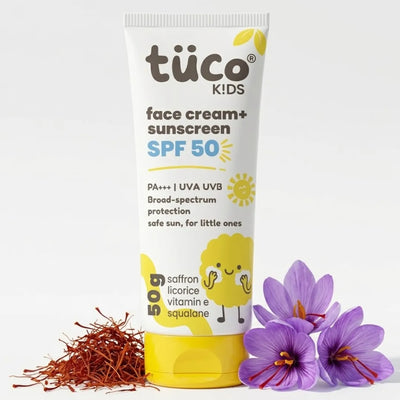
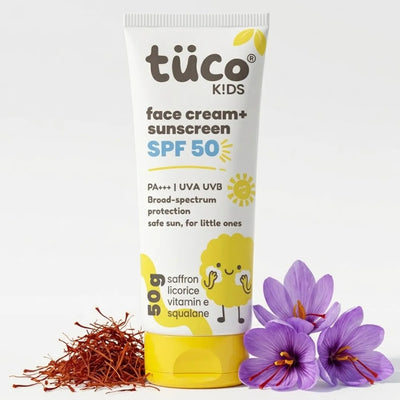
Tuco Kids sunscreen offers pediatrician-tested formulas designed specifically for children's needs, with both SPF 30 and SPF 50 options to match your family's lifestyle.
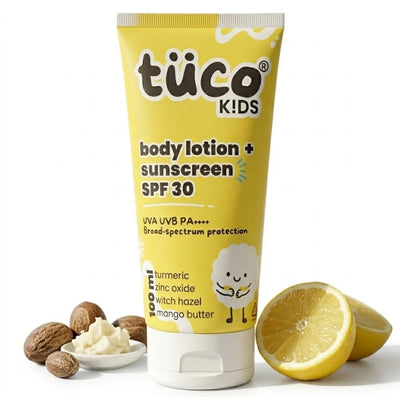
Tuco Kids SPF 30 is perfect for everyday school days and mild weather. The lightweight, non-greasy formula absorbs quickly without leaving a white cast.
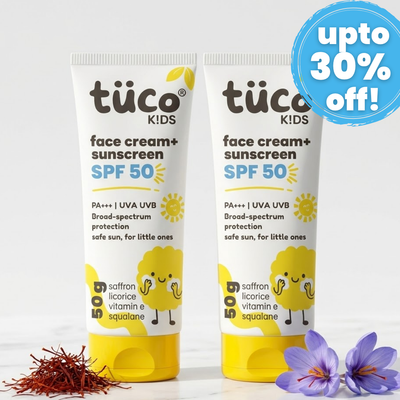
Tuco Kids SPF 50 delivers maximum protection for active children, beach days, and sunny climates. The water-resistant formula stays effective during sports and swimming.
What sets Tuco Kids apart is the dermatologist-approved, hypoallergenic formulation for all skin types, including sensitive and eczema-prone skin. Free from harsh chemicals, parabens, and artificial fragrances, Tuco Kids provides peace of mind with superior sun protection.
Ultimately, the decision between SPF 30 vs SPF 50 for kids should be based on your child's specific needs. Assess their daily routine, outdoor exposure time, skin sensitivity, and activity level. Many families keep both options on hand, using SPF 30 for regular days and SPF 50 for high-exposure situations.