

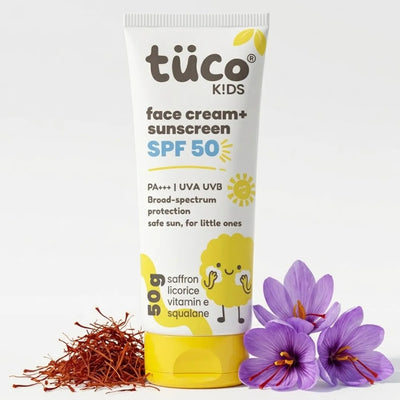
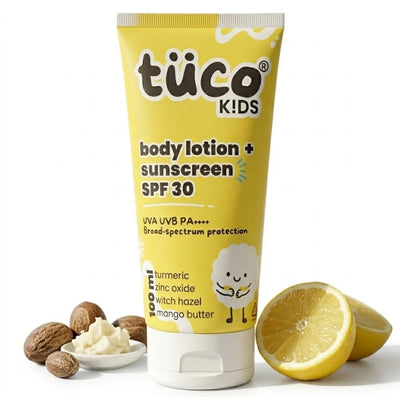


PA+++ vs PA++++: How to Know Which UVA Protection Level Your Child Actually Needs
When parents look for sunscreen for their children, the first thing they usually notice is SPF. But SPF only tells half the story. SPF protects against UVB rays, the rays responsible for tanning and sunburn. However, another type of sun exposure plays an equally important role in children’s skincare: UVA rays.

UVA rays penetrate deeper into the skin and are associated with long-term skin concerns. These include pigmentation, tanning, premature aging and worsening sensitivity. For children with sensitive skin, eczema-prone skin or acne-prone teenage skin, UVA protection becomes especially important.
This is where the PA rating comes in.
What Does PA Mean in Sunscreen?
PA stands for Protection Grade of UVA. It is a measurement created to show how well a sunscreen protects against UVA rays. The higher the number of plus signs, the higher the level of UVA defense.
You will typically see:
-
PA+ (low protection)
-
PA++ (moderate protection)
-
PA+++ (high protection)
-
PA++++ (very high protection)
For children, especially those spending time outdoors, the PA rating is just as important as the SPF rating because UVA damage happens silently and slowly. It does not burn the skin instantly, but it affects it deeply over time.
PA+++ vs PA++++: What’s the Difference?
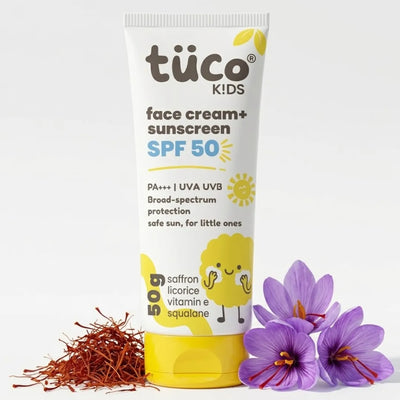
PA+++ and PA++++ are the two ratings most commonly seen in premium or children-friendly sunscreens.
Here is the difference simplified:
|
Rating |
Protection Level |
Ideal For |
|
PA+++ |
High UVA protection |
Regular school days, mild outdoor exposure, indoor lifestyle |
|
PA++++ |
Very high UVA protection |
Outdoor sports, swimming, long sun hours, sensitive or reactive skin |
PA++++ offers stronger and more sustained protection than PA+++.
For example:
- A child walking to school every morning may do fine with PA+++.
- A child playing football outdoors three times a week will benefit from PA++++.
Think of PA++++ as the level that protects children when sunscreen application is not perfect, especially in heat, dust and sweat.
Why UVA Protection Matters for Children?
Children have thinner skin and a more delicate skin barrier compared to adults. Their skin reacts faster to heat, sunlight and environmental stress.
Strong UVA protection is important to help prevent:

-
Uneven tanning and pigmentation
-
Darkening of acne marks in older kids and teens
-
Sensitivity flare-ups in heat or sunlight
-
Long-term sun damage that begins accumulating in childhood
-
Skin dehydration caused by prolonged UV exposure
For children with sensitive or eczema-prone skin, UVA rays can increase irritation. Choosing the right PA rating helps support healthier skin long-term.
How to Choose Between PA+++ and PA++++?
Parents can decide which level of protection their child needs by looking at their daily routine rather than just the sunscreen label.
1. For children mostly indoors
Examples: school + home routine with short outdoor exposure
Recommended: PA+++ and SPF 30 or SPF 50 sunscreen
2. For children with regular outdoor exposure
Examples: daily walking, cycling, playtime
Recommended: PA++++ with SPF 50 sunscreen
3. For sports and swimming
Examples: swimming lessons, football, skating, track practice
Recommended: Water-resistant PA++++ and SPF 50 sunscreen
4. For sensitive, eczema-prone or easily irritated skin
Recommended: Mineral-based sunscreen with PA++++, fragrance-free and gentle formulas
5. For teenagers with acne-prone skin
Recommended: Oil-free, non-comedogenic sunscreen with PA++++ and SPF 50
The right PA level protects children not only from immediate tanning but also from deeper UV damage that accumulates over time.
Common Myths About PA Ratings
Parents often come across confusing information online. Here are two myths cleared up:
-
Myth: PA++++ is too strong for kids.
Reality: It is safer because it protects delicate and sensitive skin from deep UVA damage.
-
Myth: PA rating doesn’t matter if SPF is high.
Reality: SPF protects against UVB only. Kids need both UVA and UVB protection for complete skincare.

Signs Your Child May Need Higher UVA Protection
Parents can observe certain skin reactions to understand sunscreen needs. Children may benefit from PA++++ if they experience:
-
Faster tanning than expected
-
Redness after outdoor play
-
Darkening acne marks
-
Sun-induced rashes or irritation
-
Heat bumps
-
Sensitivity around cheeks or nose
These reactions mean the skin barrier needs stronger UV support.
Skin-Healthy Habits That Support UVA Protection
Choosing the right sunscreen is the foundation, but consistency is equally important. Children benefit from sunscreen as part of a simple daily routine rather than only during vacations. Sunscreen applied before leaving home protects against morning sun exposure, walking to school and outdoor breaks.
Regular cleansing in the evenings helps remove sweat, sunscreen and dust, preventing clogged pores and irritation. A lightweight moisturizer supports the skin barrier so sunscreen remains comfortable and effective. Parents can also encourage protective clothing such as hats on peak sunlight days or during outdoor sports.
Creating these routines early helps children view skincare not as a chore but as a normal part of caring for their growing skin.
Creating a Gentle Skincare Foundation for Childhood and Early Teens
As children grow, their skin goes through changes that require gentle and thoughtful care. The products used in early childhood and early teenage years play an important role in shaping long-term skin health. Sunscreen is a key part of this foundation, but it works best alongside simple routines built around comfort and skin sensitivity.
A consistent routine does not need many products. A mild cleanser helps remove sunscreen, sweat and pollution without stripping the natural moisture barrier. A lightweight moisturizer keeps skin hydrated, especially for children who spend time outdoors or experience sensitivity from seasonal changes. Choosing age-appropriate sunscreen with the right SPF and PA rating protects against daily sun exposure and helps prevent tanning, irritation and long-term UVA damage.
Parents can also focus on using gentle, dermatologically trusted formulations that are suitable for children’s delicate skin. Products without heavy fragrance, harsh alcohols or unnecessary chemicals help maintain balance and prevent reactions. When children learn to care for their skin early, sunscreen and skincare become natural habits rather than occasional steps. This approach encourages confidence, comfort and long-term protection for growing skin.