



Best Moisturizer for Face for Kids' Daily Skin Comfort
Last reviewed: April 2026 by Amulya N, Head of R&D & Formulation, Tuco Kids
Children's skin has completely different needs from adult skin, yet most parents either skip facial moisturising altogether or grab whatever is marketed as "gentle." The reality is simple: children need facial moisture just as much as adults, but for entirely different reasons. Comfort, protection, and healthy skin development matter most, not anti-ageing or vanity. Finding the right face moisturiser means understanding what young skin actually needs and choosing products formulated specifically for those needs.

Why Kids' Faces Need Moisturizer
- Children's facial skin is exposed daily to harsh sun, biting cold, dry heated air, chlorine, and pollution, all without the protection clothing provides the rest of their body.
- Young skin is thinner, more permeable, and produces less natural oil than adult skin, meaning it loses moisture faster and struggles to protect itself independently.
- When facial skin becomes dry, children feel it immediately through tightness, itchiness, and discomfort, even if they can't articulate exactly what they're experiencing.
- Daily facial moisturising isn't about appearance. It's about keeping children comfortable, protecting their developing skin barrier, and preventing the dryness that leads to irritation and long-term sensitivity.
What Makes a Face Moisturizer Right for Children
The best face moisturizers for kids share specific characteristics that separate them from adult products. They're formulated with children's physiology in mind, not just made milder versions of grown-up creams.
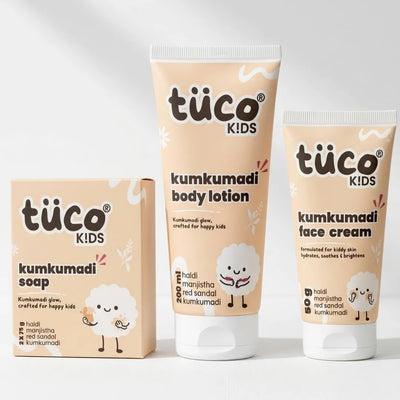
Lightweight but Effective: Children hate greasy, heavy products. If a moisturizer feels sticky or takes forever to absorb, they'll resist using it. The ideal formula provides substantial hydration but disappears into skin within seconds. Tuco Kids Kumkumadi Face Cream achieves this balance beautifully with its rich Ayurvedic ingredients in a modern, fast-absorbing base.
No Harsh Chemicals: Children's skin absorbs products faster and deeper than adult skin. Ingredients that might be tolerable for mature skin can penetrate too deeply in kids, potentially causing harm. Look for formulas free from parabens, sulfates, phthalates, synthetic fragrances, and artificial dyes. Natural ingredients provide effective care without these risks.
pH-Balanced: Healthy skin maintains a slightly acidic pH around 5 to 5.5. Moisturizers that match this pH support the skin's protective barrier rather than disrupting it. Many conventional products are too alkaline, weakening the acid mantle that protects against bacteria and moisture loss.
Appropriate for Skin Type: Not all children have the same skin. Some have naturally dry faces, others develop oiliness as they approach puberty, and many fall somewhere in between. The best moisturizer matches your child's specific skin type rather than taking a one-size-fits-all approach.
Choosing Face Moisturizers by Skin Type
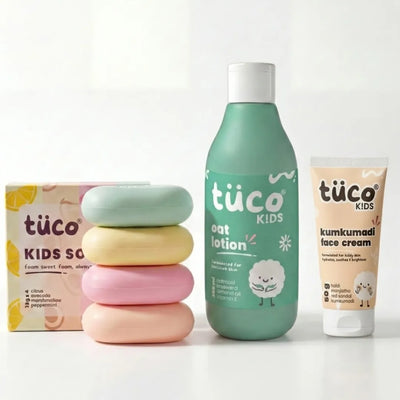
For Dry or Normal Skin: Children with drier faces need richer formulations that provide deep nourishment. Tuco Kids Kumkumadi Face Cream offers traditional saffron oil and botanicals that hydrate intensively while brightening dull, dry skin. The cream texture feels substantial yet absorbs completely, providing hours of comfort without greasiness.
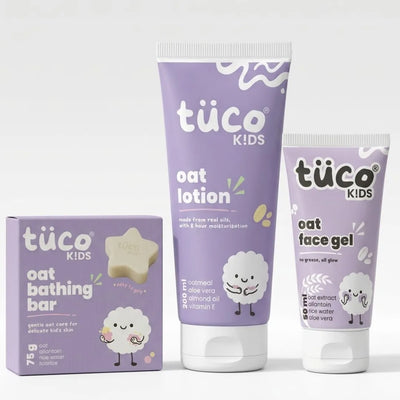
For Oily or Combination Skin: As children reach ages 9 to 12, many develop oiliness in the T-zone area. They need moisture but in a form that doesn't add shine or heaviness. Tuco Kids Oat & Rice Water Face Gel provides perfect hydration through its water-based gel formula. Rice water balances oil production while oat extract soothes and aloe vera hydrates. The gel absorbs instantly, leaving skin feeling fresh and matte.
For Acne-Prone Skin: Breakouts and dryness often go hand in hand, especially when children use harsh acne treatments. Tuco Kids Acne Face Gel treats acne with tea tree oil while aloe vera prevents the tight, uncomfortable dryness that comes from aggressive treatments. It's moisturizer and treatment in one formula.
When Children Need Face Moisturizer Most
After Cleansing: Every time your child washes their face, cleansing removes some natural oils along with dirt. Applying moisturizer within a few minutes of washing, while skin is still slightly damp, locks in hydration and prevents the tight feeling that comes from cleansing.
During Winter Months: Cold outdoor air and dry indoor heating create the perfect storm for facial dryness. Children who never needed moisturizer in summer often develop uncomfortable dryness in winter. Starting a simple moisturizing routine before severe dryness develops prevents problems.

After Sun or Pool Exposure: Both sun and chlorinated water are incredibly drying. After outdoor play or swimming, facial skin desperately needs moisture replenishment. This is when you'll see the most dramatic difference from using moisturizer.
Before Bed: Nighttime is when skin repairs itself most actively. Applying moisturizer before sleep supports this natural repair process, allowing children to wake up with soft, comfortable skin rather than tight, dry faces.
Making Moisturizing a Habit Kids Actually Enjoy
The key to consistent use is making it pleasant and quick. Children won't stick with routines that feel complicated or uncomfortable.
1) Keep It Simple: A good moisturizer should be the only product needed. Apply after washing, massage in gently for 30 seconds, and done. No multi-step processes that lose children's attention.
2) Choose Pleasant Textures: Let your child feel the product before committing. Gel formulas appeal to kids who hate anything creamy. Lightweight creams work for those who want more substantial moisture. Tuco Kids Oat & Rice Water Face Gel and Kumkumadi Face Cream offer two different textures for different preferences.
3) Make It Part of Existing Routines: Pair moisturizing with tooth brushing. If they already brush teeth morning and night, adding moisturizer right after creates an automatic habit without requiring new timing or memory.
4) Show Visible Results: Children respond to seeing improvement. Point out how much softer their skin feels, how the dry patches disappeared, or how their skin looks healthier. Visible benefits motivate continued use.
Common Mistakes Parents Make
Using Adult Products: Adult face creams contain anti-aging ingredients, retinoids, or concentrations inappropriate for developing skin. These can irritate, sensitize, or even disrupt hormonal development in children. Always choose products specifically formulated for kids.
Choosing Based on Price: Expensive doesn't mean better for children. Many luxury brands focus on anti-aging rather than what kids actually need. Conversely, very cheap products often contain harsh fillers. Mid-range products from brands specializing in children's care offer the best value.
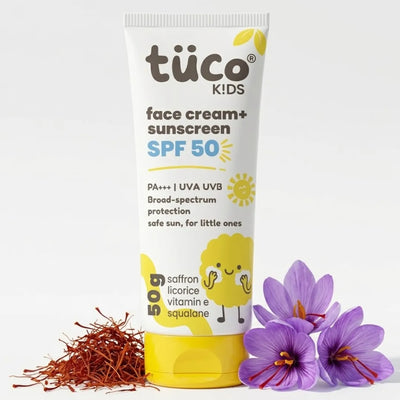
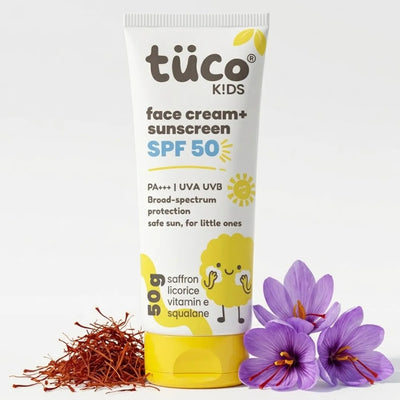
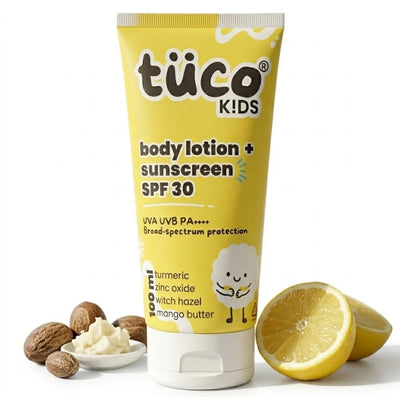
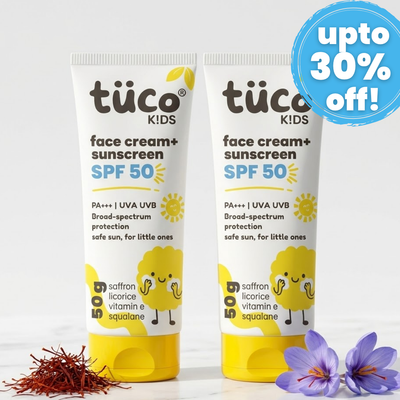
Forgetting Sun Protection: Moisturizer alone isn't enough for daytime. Always follow morning moisturizer with Tuco Kids Sunscreen SPF 30 before outdoor activities. Sun protection is non-negotiable for healthy skin.
Why Tuco Kids Formulations Work

Most skincare brands create products for adults and assume children's skin works the same way. It doesn't.
Children's skin is thinner, more permeable, and still developing its natural defenses. Ingredients adults tolerate easily can overwhelm young skin, disrupting its barrier and triggering sensitivity that isn't always immediately visible.
Tuco Kids starts differently. Every formulation, from Tuco Kids Kumkumadi Face Cream to Tuco Kids Bye Dull Skin Face Wash, from Tuco Kids Oat Bathing Bar to Tuco Kids Natural Shampoo, is built around the specific needs of ages 4 to 16. Concentrations are carefully calibrated. Ingredients are selected for gentleness without sacrificing effectiveness. Nothing is included that serves adult concerns irrelevant to children.
"Formulating for kids isn't about diluting adult products and calling it gentle. A child's skin barrier is genuinely different — thinner, more permeable, more reactive. Every ingredient we choose starts with that fact."
— Amulya N, Head of R&D & Formulation, Tuco Kids
About the Author

Amulya N leads R&D and formulation at Tuco Kids, with 10+ years of experience and a Master's in Chemistry specialising in baby and kids personal care. She evaluates every ingredient Tuco uses — testing for safety, skin compatibility, and regulatory compliance — before it enters any product. She manages the full journey from concept to commercialisation, and writes about ingredient science and formulation from the perspective of someone who has spent a decade deciding what actually belongs on a child's skin.