



Monsoon Skin Care for Kids India: Fungal Infections, Humidity Rashes & What to Do
The monsoon arrives with relief from summer's scorching heat, but for parents, it brings a new set of challenges. Your child comes home from school with damp clothes and shoes. Their skin feels sticky despite bathing twice. You notice a rash developing in skin folds. There's a persistent itch between toes. The back of their neck shows small red bumps. And despite careful hygiene, there's an unusual musty smell you can't quite eliminate.
Welcome to monsoon skin care for kids india—where high humidity, constant dampness, and warm temperatures create the perfect storm for skin problems. Fungal infections thrive. Bacterial growth accelerates. Heat rash persists despite cooler weather. And children's delicate, still-developing skin bears the brunt of it all.
But monsoon skin problems aren't inevitable. Understanding what causes them, recognizing early signs, implementing preventive care, and knowing how to treat issues quickly can keep your child comfortable and healthy through the rainy season. This comprehensive guide covers everything: fungal infection prevention and treatment, humidity-related rashes, proper hygiene during constant dampness, product selection for monsoon conditions, and when to seek medical help.
Understanding Monsoon Skin Challenges
Rainy season skin care children india requires understanding the unique environment:
The Monsoon Skin Environment
What creates problems:
- High humidity (70-90%+): Slows sweat evaporation
- Warm temperatures (25-30°C): Still conducive to microbial growth
- Constant dampness: Clothes, shoes, skin never fully dry
- Reduced sunlight: Less UV (natural disinfectant) and vitamin D
- Waterlogged surroundings: Increased contact with contaminated water
- Indoor confinement: Less air circulation, more time in damp environments
The perfect storm: Warm + damp + dark = ideal fungal and bacterial growth conditions
Why Children Are More Vulnerable
Physiological factors:
- Thinner skin (more permeable to pathogens)
- More skin folds (where moisture trapped)
- Higher activity levels (more sweating)
- Less developed immune systems
- Faster cell turnover (more "food" for fungi)
Behavioral factors:
- Playing in puddles and rain (prolonged wet exposure)
- Not changing out of damp clothes immediately
- Wearing same shoes daily (never fully dry)
- Incomplete drying after baths
- Touching contaminated surfaces and then face/body
The result: Children develop skin issues faster and more severely than adults during monsoon.
Common Monsoon Skin Problems
What you'll encounter:
- Fungal infections (ringworm, athlete's foot, jock itch)
- Bacterial infections (impetigo, folliculitis)
- Humidity rashes (heat rash persisting, intertrigo)
- Eczema flares (moisture and irritation triggering)
- Contact dermatitis (wet fabric irritation)
- Diaper rash (for babies/toddlers—worse in humidity)
The pattern: Most involve moisture trapped against skin allowing microbes to overgrow or skin to become irritated.
Fungal Infections: The Primary Monsoon Threat
Fungal infection kids skin monsoon is the most common and problematic issue:
Types of Fungal Infections
Ringworm (Tinea Corporis):
- Appearance: Circular, red, scaly patches with raised borders
- Location: Anywhere on body, commonly arms, legs, trunk
- Symptoms: Itching, spreading rings
- Cause: Fungus thriving in damp conditions
- Spread: Direct contact or contaminated surfaces
Athlete's Foot (Tinea Pedis):
- Appearance: Peeling, cracking skin between toes; redness on soles
- Location: Feet, especially between toes
- Symptoms: Intense itching, burning, sometimes blisters
- Cause: Constantly damp feet (wet shoes/socks)
- Spread: Walking barefoot in damp areas, shared shoes
Jock Itch (Tinea Cruris):
- Appearance: Red, itchy rash in groin area, inner thighs
- Location: Groin, inner thighs, buttocks
- Symptoms: Itching, burning, sometimes oozing
- Cause: Moisture trapped in skin folds
- Spread: Poor hygiene, tight clothing, moisture
Scalp Ringworm (Tinea Capitis):
- Appearance: Scaly patches, hair loss in affected areas
- Location: Scalp
- Symptoms: Itching, flaking, bald patches, sometimes painful
- Cause: Fungal infection of scalp and hair
- Spread: Shared combs, hats, pillows
Nail Fungus (Onychomycosis):
- Appearance: Thickened, discolored, brittle nails
- Location: Toenails primarily, sometimes fingernails
- Symptoms: Usually not painful, aesthetic concern
- Cause: Prolonged moisture exposure
- Spread: Walking barefoot, contaminated nail tools
Recognizing Early Signs
Don't wait for full-blown infection:
- Persistent itching in specific area
- Small red spots or patches
- Skin feeling rougher than usual
- Mild scaling or peeling
- Slight musty odor (fungal smell)
- Discomfort in shoes (early athlete's foot)
Early treatment crucial: Fungal infections spread quickly and become harder to treat if established.
Prevention Strategies
Keep skin dry:
- Change out of wet clothes immediately
- Dry thoroughly after bathing (including between toes, skin folds)
- Use talcum powder or antifungal powder in prone areas (feet, groin)
- Choose breathable fabrics (cotton over synthetic)
- Ensure shoes completely dry before wearing again
Maintain hygiene:
- Daily bathing with antifungal soap during monsoon
- Clean between toes thoroughly
- Wash clothes in hot water (kills fungal spores)
- Don't share towels, clothes, shoes
- Disinfect bathroom floors regularly
Product choice: Bye Dull Skin Soap Po3:
- Natural antibacterial properties
- Gentle enough for daily use
- Helps maintain skin health during monsoon
- Pack of 3 ensures always having clean, fresh soap
Strategic drying:
- Use separate towels for different body parts
- Pat, don't rub (friction can damage skin)
- Pay special attention to skin folds
- Consider hairdryer on cool setting for feet/toes if very damp
Treatment Approaches
Over-the-counter antifungal:
- Clotrimazole cream
- Miconazole cream
- Terbinafine cream
- Apply twice daily for 2-4 weeks even after visible clearing
When to see doctor:
- Not improving after 2 weeks of OTC treatment
- Spreading despite treatment
- On scalp (requires oral antifungals)
- Very severe or painful
- Multiple areas affected
- Child under 2 years
Complete treatment: Don't stop when it looks better—fungi hide and return. Finish full course.
Humidity Rashes and Skin Irritation
Monsoon rash kids india includes more than fungal issues:
Heat Rash in Monsoon (Miliaria)
Confused by this? Heat rash in cooler monsoon weather?
Why it happens:
- High humidity prevents sweat evaporation
- Sweat ducts blocked
- Sweat trapped under skin
- Temperature doesn't need to be hot—humidity sufficient
Types:
- Miliaria crystallina: Tiny clear bumps, mild
- Miliaria rubra (prickly heat): Red bumps, itchy
- Miliaria profunda: Deeper, flesh-colored bumps
Common locations: Neck, chest, back, skin folds, areas covered by damp clothing
For comprehensive understanding: See Prickly Heat & Heat Rash Kids India
Prevention:
- Loose, breathable clothing
- Cotton fabrics
- Frequent clothing changes if sweaty
- Cool, ventilated environment when possible
- Avoid overdressing (monsoon often not cold)
Treatment:
- Keep area dry
- Cool compresses
- Calamine lotion
- Avoid heavy creams (trap heat)
- Loose clothing
Intertrigo (Skin Fold Rash)
What it is: Inflammation in skin folds due to moisture, friction, and microbial growth
Where it occurs:
- Neck folds (babies especially)
- Armpits
- Behind knees
- Groin area
- Between buttocks
- Under breasts (older girls)
- Between toes
Appearance:
- Red, raw-looking
- Sometimes weepy or crusty
- Painful or itchy
- May have satellite lesions (suggests fungal component)
Causes:
- Moisture trapped in folds
- Friction from movement
- Heat and humidity
- Fungal or bacterial overgrowth
- Poor drying after bathing
Prevention:
- Thorough drying of all skin folds
- Barrier creams or powder (keep dry)
- Frequent position changes (babies)
- Loose clothing
- Address underlying fungal/bacterial issues
Treatment:
- Keep clean and dry
- Zinc oxide cream (barrier)
- Antifungal if fungal component suspected
- Antibiotic if bacterial (doctor prescribes)
- Avoid irritants
Contact Dermatitis from Wet Fabrics
The problem: Wet fabric rubbing against skin causes irritation
Common scenarios:
- Wearing damp uniform all day
- Wet socks and shoes
- Wet raincoat against skin
- Damp diaper (extended time)
Symptoms:
- Redness where fabric touches skin
- Itching or burning
- Sometimes blistering
- Worsens with continued exposure
Prevention:
- Change out of wet clothes ASAP
- Extra set of clothes at school
- Waterproof outer layers
- Quick-dry fabrics when possible
Treatment:
- Remove irritant (change clothes)
- Gentle cleansing
- Mild steroid cream if very inflamed (doctor approval)
- Barrier cream for protection
For understanding allergic reactions vs. irritation: Child Skin Allergy Rashes: Causes, Home Remedies (upcoming)
Bacterial Skin Infections
Wet skin problems kids monsoon include bacterial overgrowth:
Impetigo
What it is: Highly contagious bacterial infection
Appearance:
- Red sores that quickly rupture
- Ooze fluid and form honey-colored crusts
- Usually around nose, mouth, but can be anywhere
- Spreads rapidly
Causes:
- Bacteria (Staphylococcus or Streptococcus)
- Enters through breaks in skin
- Moisture and warmth accelerate growth
- Spreads through touch
Treatment:
- See doctor: Needs antibiotic (topical or oral)
- Keep area clean
- Don't touch or pick
- Avoid sharing towels, etc.
Very contagious: Keep child home from school until treated and no longer contagious.
Folliculitis
What it is: Inflammation of hair follicles
Appearance:
- Small red bumps around hair follicles
- Sometimes with white pus-filled head
- Itchy or slightly painful
- Can be anywhere hair grows
Causes:
- Bacterial infection of follicles
- Moisture and friction
- Tight, damp clothing
- Poor hygiene
Treatment:
- Keep clean
- Antibacterial wash
- Avoid tight clothing
- Usually resolves on its own
- Antibiotic if severe
Prevention of Bacterial Infections
Hygiene is key:
- Regular bathing with antibacterial soap
- Clean any cuts or scrapes immediately
- Keep nails trimmed (reduce scratching and infection introduction)
- Don't share personal items
- Clean environment
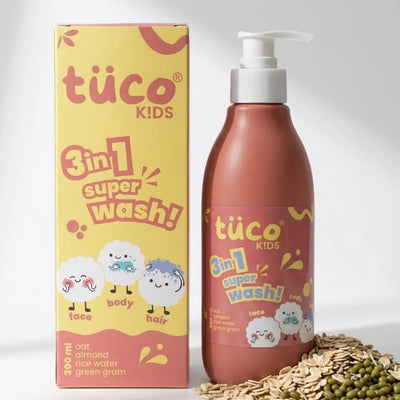
Products for protection: Shower Gel 300ml:
- Gentle yet effective cleansing
- Maintains skin's protective barrier
- Pleasant application encourages thorough washing
- Appropriate for daily monsoon bathing
Daily Monsoon Skin Care Routine
Humidity skin care kids india practical approach:
Morning Routine (5-7 minutes)
Step 1: Assess overnight issues (30 seconds)
- Check for new rashes
- Note any itching or complaints
- Identify problem areas
Step 2: Cleanse if needed (2 minutes)
- Quick shower if sweaty overnight
- Or face wash only if not sweating
- Focus on skin folds
Step 3: Dry thoroughly (2 minutes)
- Pat all areas
- Special attention: between toes, neck folds, behind ears, groin
- Use hairdryer on cool for stubborn damp areas
Step 4: Apply protective products (1-2 minutes)
- Antifungal powder to feet
- Talcum powder to skin folds if prone to issues
- Light moisturizer only if skin actually dry (often humidity provides enough)
Step 5: Dress appropriately (1 minute)
- Clean, dry clothes
- Breathable fabrics
- Multiple layers (easier to remove if sweaty)
- Dry socks and shoes
After-School/Evening Routine (10-15 minutes)
Step 1: Remove all damp items immediately (1 minute)
- Shoes and socks first
- Then clothes
- Hang to dry (don't put in laundry basket damp)
Step 2: Inspect skin (2 minutes)
- Look for any new rashes, red areas, irritation
- Check between toes carefully
- Note any complaints of itching
Step 3: Thorough bathing (5-7 minutes)
- Lukewarm water (hot worsens some conditions)
- Gentle soap: Bye Dull Skin Soap or Shower Gel
- Clean all areas, especially skin folds
- Shampoo 2-3 times weekly (more if very humid and sweaty)
Step 4: Drying protocol (3-4 minutes)
- Most critical step
- Pat entire body
- Between every toe individually
- All skin folds
- Behind ears
- Hair dried thoroughly
- Consider cool hairdryer for feet
Step 5: Treatment/protection (2 minutes)
- Apply any prescribed treatments
- Antifungal powder to feet
- Barrier cream to problem areas
- Light moisturizer only if needed
Step 6: Fresh, dry clothes (1 minute)
- Clean, breathable nightwear
- Ensure completely dry before dressing
Weekly Deep Care
Once weekly:
- Trim nails (fingers and toes)
- Check scalp carefully
- Launder all used towels in hot water
- Disinfect bathroom
- Check shoes for dampness/fungus
- Rotate shoes (allow full drying between uses)
Product Selection for Monsoon
Rainy season face care kids india and body—what works:
Cleansers
What you need:
- Antibacterial/antifungal properties
- Gentle enough for daily use
- Effective in hard water (common in India)
- Doesn't strip skin excessively
Recommended: Bye Dull Skin Soap Po3:
- Natural ingredients with antimicrobial properties
- Gentle daily cleansing
- Doesn't strip protective oils
- Pack format ensures fresh soap always available
- Liquid format (no damp soap bar breeding bacteria)
- Effective cleansing
- Child-friendly application
- 300ml size perfect for family use
For sensitive skin: Sensitive Skin Combo provides complete, gentle care system for children prone to reactions.
Moisturizers (Use Sparingly in Monsoon)
The humidity paradox: Skin often doesn't need much moisturizer in high humidity
When to moisturize:
- If skin genuinely dry (eczema, etc.)
- After bath on very dry patches only
- Not generously all over (traps moisture)
Type: Light, fast-absorbing lotions rather than heavy creams
Powders and Barriers
Antifungal powder:
- Feet daily
- Groin/skin folds if prone to issues
- Reapply midday if very active
Talcum powder:
- Controversial for respiratory reasons if inhaled
- If using: apply to hand first, then to skin (reduces airborne particles)
- Or use cornstarch-based alternatives
Zinc oxide cream:
- Barrier for diaper area (babies)
- Skin fold protection
- Very effective moisture barrier
What to Avoid in Monsoon
Heavy, occlusive products:
- Petroleum jelly (except specific areas like lips)
- Thick creams
- Oils all over body
- Anything that seals skin completely
Fragranced products:
- Can irritate already stressed skin
- Moisture amplifies irritation
Antibacterial soaps for daily use:
- Disrupt beneficial skin microbiome
- Unless specific medical need
Clothing and Fabric Management
Skin hygiene rainy season kids includes what touches skin:
Fabric Choices
Best for monsoon:
- Cotton: Breathable, absorbent
- Linen: Very breathable
- Bamboo: Antimicrobial, absorbent
- Moisture-wicking synthetics: For sports (but change immediately after)
Avoid:
- Heavy, non-breathing fabrics
- Tight clothing (traps moisture)
- Synthetic undergarments
- Wool directly on skin (itchy when damp)
Laundry Protocol
Critical for preventing reinfection:
- Wash in hot water (60°C+ kills fungal spores)
- Use antifungal laundry additive if family dealing with infections
- Dry completely before wearing (sun-dry best—UV kills pathogens)
- Iron if possible (heat kills remaining organisms)
- Don't wear even slightly damp clothes
Towels:
- Individual towels per family member
- Wash after 2-3 uses maximum
- Dry completely between uses
- Hot water wash weekly
Shoes and Socks
Major fungal infection source:
Shoe care:
- Minimum 2 pairs (rotate daily—allows 24+ hours drying)
- Canvas or breathable materials
- Remove insoles to dry separately
- Stuff with newspaper to absorb moisture
- Antifungal spray/powder inside
- Replace if persistently damp/smelly
Socks:
- Cotton or moisture-wicking
- Change daily (or twice if very sweaty)
- Dry completely before wearing
- Consider antifungal socks if prone to athlete's foot
Barefoot time: At home, go barefoot to allow feet to breathe and dry (but not in public/damp areas).
Environmental Modifications
Creating monsoon-safe home environment:
Reducing Indoor Humidity
Strategies:
- Dehumidifier if very humid (major investment but effective)
- Air conditioning (reduces humidity)
- Fans (improve air circulation)
- Keep windows open when not raining (air exchange)
- Don't dry clothes indoors (adds humidity)
Bedroom specific:
- Ventilation critical
- Moisture-absorbing materials (charcoal bags, silica)
- Clean bedding weekly (hot water)
- Mattress protector (prevents dampness accumulation)
Bathroom Hygiene
High-risk area (moisture + skin cells = microbial paradise):
Protocol:
- Ventilation always (exhaust fan, window)
- Wipe down after each shower
- Disinfect floors 2-3 times weekly
- Clean shower curtain/door regularly
- Individual bath mats (wash weekly)
- No damp towels hanging (breed bacteria/mold)
School Environment
Out of your control but can help:
- Extra clothes in bag
- Waterproof bag for wet items
- Extra socks
- Small towel
- Request child sit away from air conditioner draft (if cold + damp = worse)
Special Considerations
Babies and Toddlers
Extra vulnerable:
- More skin folds
- Diaper area constantly moist
- Can't communicate discomfort
- Less mobile (same position accumulates moisture)
Extra care:
- Frequent diaper changes
- Thorough drying of all folds
- Naked time (lets skin breathe)
- Barrier creams religiously
- Monitor closely
Children with Eczema
Monsoon can be better or worse:
- Better: Humidity can help dry eczema
- Worse: Fungal/bacterial infections more likely
Special care:
- Continue regular eczema treatment
- Extra vigilant about infections
- Gentle, fragrance-free products: Sensitive Skin Combo
- Consult dermatologist about monsoon adjustments
For comprehensive guidance: Best Soap for Dry Skin India 2026 (upcoming)
Active Children/Sports
Higher risk (more sweating + dampness):
- Change immediately after activity
- Extra showering (post-activity essential)
- Antifungal powder preemptively
- Quick-dry athletic wear
- Multiple sets of sports clothes
When to See a Doctor
Don't wait if:
Fungal Infections
- Not improving after 2 weeks of OTC treatment
- Spreading rapidly
- Very painful
- On scalp (needs oral medication)
- Recurring immediately after treatment
- Multiple family members affected
Bacterial Infections
- Any signs of impetigo (honey-colored crusts)
- Red, warm, painful areas (possible cellulitis)
- Fever accompanying skin issues
- Pus or severe oozing
- Red streaking from wound (lymphangitis—urgent)
Severe Rashes
- Covering large areas
- Interfering with sleep/daily activities
- Blistering
- Not responding to home care
- Associated systemic symptoms (fever, lethargy)
When in doubt, consult: Better safe than risk complications.
Myths and Misconceptions
What NOT to do:
Myth 1: "Monsoon is too cold for bathing"
Reality: Daily bathing essential for removing moisture, sweat, microbes. Use lukewarm water.
Myth 2: "Apply oil to protect skin"
Reality: Heavy oils trap moisture, worsen fungal growth. Light moisturizer only if truly dry skin.
Myth 3: "Fungal infections go away on their own"
Reality: Usually don't. Spread and worsen without treatment. Need antifungal medication.
Myth 4: "Only dirty people get skin infections"
Reality: Monsoon humidity + dampness = infections even with good hygiene. Not about being "dirty."
Myth 5: "Home remedies cure everything"
Reality: Some help, but established fungal/bacterial infections need proper medication.
The Bottom Line
Monsoon skin care for kids india is about three principles:
1. Keep Skin Dry
- Change out of wet clothes immediately
- Thorough drying after bathing
- Address skin folds meticulously
- Breathable clothing
- Dry environment when possible
2. Maintain Hygiene
- Daily bathing with gentle, effective cleanser
- Clean clothes daily
- Hot water laundry
- Individual towels
- Regular nail trimming
3. Treat Problems Early
- Inspect skin daily
- Address issues at first sign
- OTC antifungals for fungal infections
- Doctor for bacterial infections or severe issues
- Complete treatment course
The Monsoon Skincare Kit
Essential products:
- Gentle cleanser (Bye Dull Skin Soap or Shower Gel)
- Antifungal powder (feet, prone areas)
- OTC antifungal cream (for early treatment)
- Zinc oxide cream (barrier protection)
- Light moisturizer (if needed)
- Multiple towels (frequent changes)
For sensitive skin: Sensitive Skin Combo provides complete, coordinated care.
The Daily Checklist
Morning: ✓ Check skin ✓ Thorough drying if bathed ✓ Dry clothes and socks ✓ Protective powder if needed
Evening: ✓ Remove damp items immediately ✓ Inspect for any issues ✓ Thorough bathing ✓ Meticulous drying (especially feet, folds) ✓ Apply treatments if needed ✓ Fresh, dry clothes
Weekly: ✓ Trim nails ✓ Check shoes for dampness ✓ Disinfect bathroom ✓ Hot water laundry for towels/linens
Prevention vs. Treatment
Prevention investment: 10-15 minutes daily + right products
Treatment cost: Doctor visits, medications, discomfort, missed school, persistent issues
The math: Prevention far easier, cheaper, more comfortable than treatment.
Monsoon doesn't have to mean skin problems. Yes, the environment is challenging. Yes, children are more vulnerable. But with understanding of risks, diligent daily care, appropriate products, and early intervention when issues arise, you can keep your child's skin healthy and comfortable throughout the rainy season.
Start implementing these strategies today—don't wait for problems to develop. The monsoon may bring dampness, but with proper care, it doesn't have to bring skin misery.
Related Resources: