



Holi Skin & Hair Protection for Kids: A Complete Before and After Guide
Holi is approaching. Your children are excited—the colors, the water fights, the festive joy. But you're worried. Last year, their skin looked dry and patchy for days afterward. The colors took a week to fully fade. Their hair felt like straw. And despite hours of scrubbing, there were stubborn color stains that just wouldn't budge. Plus, you've heard concerning stories about harsh chemicals in Holi colors causing allergic reactions, skin burns, and even hair damage.
Can children fully enjoy Holi without compromising their skin and hair health? Absolutely—but it requires preparation, the right products, proper protection, and knowing how to remove colors safely afterward. Holi skin care for kids india isn't just about damage control—it's about prevention, safe play, and effective post-Holi recovery.
This comprehensive guide covers everything: understanding Holi color risks, pre-Holi protection strategies (the most critical step), safe play guidelines, immediate post-Holi care, the days after, dealing with stubborn stains, and when to worry. Let your children celebrate with abandon while you ensure their skin and hair emerge healthy.
Understanding Holi Colors: What You're Up Against
Before protecting your child, understand what they're being exposed to:
Traditional vs. Modern Holi Colors
Traditional natural colors (gulal):
- Made from turmeric, henna, flowers, herbs
- Generally safe
- Stain but don't damage
- Easier to remove
- Becoming less common
Modern synthetic colors:
- Chemical dyes (often industrial)
- Heavy metals (lead, mercury, chromium)
- Glass powder or mica (adds shimmer, abrasive)
- Harmful ingredients:
- Lead oxide (red)
- Copper sulfate (green)
- Aluminum bromide (silver)
- Prussian blue (synthetic blue)
- Mercury sulfide (red)
The reality: Most commercially available Holi colors are synthetic with concerning ingredients.
Risks to Children's Skin
Why children are more vulnerable:
- Thinner skin (higher absorption)
- More permeable barrier
- Still-developing systems (toxin sensitivity)
- Longer exposure (play longer, sweat more)
- Less aware of avoiding face/eyes/mouth
Potential problems:
- Allergic reactions: Redness, itching, rashes
- Contact dermatitis: Inflammation, burning
- Chemical burns: Severe cases from harsh ingredients
- Respiratory issues: Inhaling powder
- Eye damage: Colors in eyes (serious risk)
- Dryness: Stripping natural oils
- Hyperpigmentation: Dark patches from certain dyes
Risks to Children's Hair
What Holi colors do to hair:
- Strip natural oils (severe dryness)
- Damage hair cuticle (leads to breakage)
- Cause tangles (matted, difficult to comb)
- Fade natural color (especially dark colors)
- Dry out scalp (dandruff, itching)
- Chemical damage (weakens hair structure)
Long-term exposure: Repeated harsh chemical contact can cause lasting hair damage.
Pre-Holi Protection: The Most Important Step
Protecting kids skin during holi starts before the first color is thrown:
Skin Protection Protocol (Day Before/Morning Of)
Step 1: Oil Barrier (Critical)
24 hours before OR morning of Holi:
- Apply generous amount of oil all over body
- Face, neck, arms, legs—every exposed area
- Create thick protective layer
Why oil works:
- Hydrophobic barrier (repels water-based colors)
- Makes color removal much easier
- Protects skin from direct chemical contact
- Prevents drying
Best oils for children:
- Coconut oil (readily available, effective)
- Mustard oil (traditional choice, very protective)
- Almond oil (gentle, nourishing)
- Any cold-pressed vegetable oil
Application technique:
- Massage thoroughly into skin
- Don't rub in completely—want visible layer
- Pay attention to face, ears, neck (often neglected)
- Reapply during Holi if playing for hours
Step 2: Moisturize Beforehand
If not using heavy oil all over:
- Moisturize well day before and morning of
- Creates some barrier
- Hydrated skin handles colors better
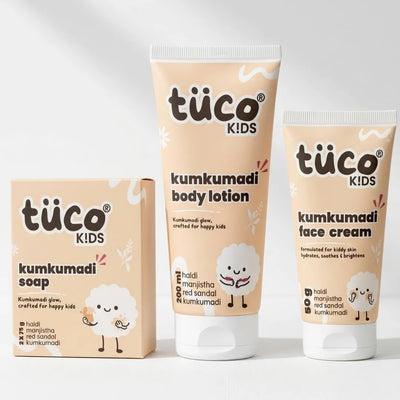
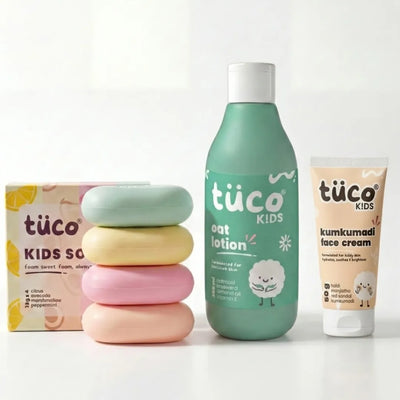
Product: Kumkumadi Face Cream for face protection—nourishes while creating gentle barrier.
Step 3: Lip Protection
Often forgotten, very important:
- Apply thick layer of petroleum jelly or lip balm
- Reapply multiple times during play
- Prevents chapping and color staining
Step 4: Nail Care
Colors stain nails badly:
- Trim nails short (less surface for stains)
- Apply nail polish if older children okay with it (protective layer)
- Or rub oil into nail beds
Step 5: Clothing Choices
Strategic dressing:
- Full-coverage clothing (long sleeves, full pants if possible)
- Old clothes you don't mind permanently staining
- Sunglasses (eye protection—discuss below)
- Cap or bandana (scalp protection)
- Closed shoes (protect feet)
Color: Dark colors show stains less than white (despite tradition)
Hair Protection Protocol (Morning Of)
Critical steps:
Step 1: Oil Thoroughly (Non-Negotiable)
2-3 hours before Holi OR night before:
- Apply generous amount of oil to entire scalp and hair
- Massage into scalp
- Coat every strand from root to tip
- The more oil, the better
Why this is crucial:
- Creates waterproof barrier
- Colors slide off instead of penetrating hair shaft
- Prevents drying and damage
- Makes washing much easier
Best oils: Juicy Locks Hair Oil:
- Specifically formulated for hair nourishment and protection
- Rich, protective consistency
- Gentle on children's scalp
- Pleasant application
Alternative: Coconut oil, olive oil, mustard oil
Application:
- Section hair for thorough coverage
- Don't worry about looking greasy—that's the goal
- Massage scalp well
- Ensure ends completely coated
For more on hair oil benefits: Nourishing Hair Oils for Kids: Benefits and Uses
Step 2: Protective Hairstyle
Keep hair contained:
- Tight braids (less surface area exposed)
- Bun (most protective)
- Multiple braids for long hair
- Secure with many elastics
Why:
- Less hair surface for colors to stick
- Prevents tangling
- Easier to wash later
- Reduces color penetration
Step 3: Cover Head
Additional protection:
- Bandana or scarf
- Old cap
- Dupatta wrapped around head
- Any covering better than none
Balance: Coverage vs. getting in way during play.
Eye Protection
Critical safety concern:
The danger: Chemical colors in eyes can cause serious damage—corneal abrasions, infections, even temporary vision impairment.
Protection:
- Sunglasses (wraparound style best)
- Swimming goggles (very protective but may look silly)
- Teach child to keep eyes closed when color coming at face
- No rubbing eyes with color-covered hands
If color gets in eyes: Flush immediately with clean water for 10-15 minutes. If irritation persists, see doctor.
Mouth and Nose Protection
Inhalation/ingestion risks:
- Don't let child put color near mouth
- No eating while playing with colors
- Avoid inhaling clouds of colored powder
- Teach to breathe through nose when powder thrown (less inhalation)
Protective measure: Wet handkerchief or mask if powder colors being used extensively.
Safe Play During Holi
Holi safe skin care children includes how they play:
Color Selection
If you provide colors:
- Buy natural, organic Holi colors
- Read ingredients (avoid metals, harmful chemicals)
- Test on small skin patch 24 hours before if new brand
- Homemade natural colors safest option
Homemade natural colors:
- Yellow: Turmeric powder
- Red/Pink: Beetroot powder, red sandalwood
- Green: Henna, spinach powder
- Orange: Turmeric + lime
- Brown: Coffee, henna
These are safer but still require skin protection (turmeric stains, henna dries).
Playing Guidelines
Teach children:
- Avoid face if possible
- Definitely avoid eyes, mouth, nose
- No rubbing colors into skin (gentle application)
- Stay away from aggressive play (forced color application)
- Take breaks (rinse off periodically)
- Stay hydrated (drink water frequently)
- Come inside if skin starts burning or itching
Duration: Shorter play = less exposure. A few hours sufficient—all-day exposure not necessary.
Water Safety
Holi water play:
- Use clean water (not stagnant or dirty)
- Water balloons okay if not too forceful
- Avoid high-pressure water (hose, pump—can injure)
- Wet hair is more vulnerable—reapply oil if getting very wet
When to Stop
Red flags to end play immediately:
- Skin burning or stinging
- Severe itching
- Difficulty breathing
- Eye pain or irritation
- Nausea or dizziness
- Visible skin damage
Better safe than sorry: End play if child uncomfortable.
Immediate Post-Holi Care (First Hour)
Before holi skin prep kids india matters, but after care equally crucial:
Don't Rush to Scrub
Common mistake: Immediately scrubbing vigorously
Why this is wrong:
- Damages skin barrier
- Drives colors deeper
- Causes irritation and micro-tears
- Makes stains worse
Better approach: Gentle, patient removal.
The Right Removal Sequence
Step 1: Dry Removal First (5-10 minutes)
Before water touches skin:
- Gently dust off dry color powder
- Use soft, dry towel to pat away loose color
- Don't rub—pat and lift
- This removes surface color before it sets with water
Why first: Water can set some colors. Remove what you can dry.
Step 2: Oil Massage (10-15 minutes)
Apply more oil (yes, more):
- Coconut, olive, or any gentle oil
- Massage gently over colored areas
- Let sit 5-10 minutes
- Oil dissolves oil-based color components
- Loosens water-based colors
For face: Extra gentle, avoid eyes.
Step 3: Gentle Cleansing (15-20 minutes)
Use appropriate cleanser:
- Lukewarm water (not hot—opens pores, sets colors)
- Gentle soap/body wash: Bye Dull Skin Soap Po3
- Create lather in hands first, then apply
- Gentle circular motions
- No harsh scrubbing
- Multiple rinses better than one hard scrub
Focus areas:
- Face (most important, most visible)
- Neck, ears
- Between fingers, under nails
- Feet
Patience: Colors may not come off completely in first wash—that's normal.
Step 4: Pat Dry and Assess
After cleansing:
- Pat dry with soft towel
- Check for any remaining color (there will be some)
- Inspect for skin irritation or reactions
- Note stubborn stain areas
Don't panic: Remaining color is normal. Will fade over next few days.
Hair Color Removal
Holi hair care for kids india post-celebration:
The Hair Washing Process
Step 1: Pre-Wash Oil Treatment (if not oiled before)
If hair wasn't pre-protected (mistake but happens):
- Apply oil generously now
- Massage into scalp and through hair
- Let sit 20-30 minutes
- Helps loosen colors before washing
Step 2: Gentle Detangling
Before wetting:
- Gently finger-comb to remove tangles
- Don't force or yank
- Patient, slow detangling
- Oil makes this easier
Step 3: The Shampoo Process
Proper technique:
- Wet hair with lukewarm water
- Apply generous amount of gentle shampoo: Reetha Shampoo
- Focus on scalp (where most color accumulates)
- Gentle massage with fingertips (not nails)
- Let lather run through lengths
- Rinse very thoroughly
Multiple washes: Likely need 2-3 shampoo cycles to remove colors. That's okay.
Step 4: Conditioning
After color removal:
- Apply conditioner to lengths (not scalp)
- Let sit 5-10 minutes
- Helps restore moisture stripped by colors
- Detangles
- Rinse thoroughly
Step 5: Drying and Post-Wash Care
Gentle drying:
- Pat with soft towel (don't rub)
- Air dry if possible (no heat)
- If using dryer, cool setting only
- Detangle when slightly damp (easier than when dry)
Post-wash oil:
- Light application of Juicy Locks Hair Oil to ends
- Restores moisture
- Repairs damage
- Protects going forward
The Days After: Recovery Care
Holi ke baad skin care kids for complete recovery:
Days 1-3: Gentle Care and Fading
Skin care routine:
Morning and evening:
- Gentle cleansing (no harsh scrubbing)
- Light moisturizing (skin may be dry from colors)
- Kumkumadi Face Cream for face—helps even out any discoloration
- Sun protection (if going out—colored skin more photosensitive)
What's normal:
- Lingering color (fades daily)
- Slight dryness
- Minimal flaking as color fades
What's concerning:
- Persistent redness or inflammation
- Itching that doesn't resolve
- Blistering or oozing
- Rash developing or worsening
If concerning symptoms: See doctor. May need antihistamine or topical steroid.
Hair care routine:
Days 1-3:
- Gentle washing every other day (if needed to remove remaining color)
- Deep conditioning treatment once
- Light oil application to ends
- Avoid heat styling
- Gentle detangling only
Days 4-7: Restoration
Skin:
- Most color should be faded by now
- Continue gentle care
- Address any dryness or dullness
- Normal skincare routine can resume
For understanding and addressing dullness: Top Reasons Children's Skin Becomes Dull
Hair:
- Should be mostly back to normal
- One more deep conditioning treatment
- Resume normal hair care
- Trim ends if very damaged
Week 2+: Full Recovery
Most children back to normal by week 2.
Stubborn issues:
- Persistent stains (discussed below)
- Ongoing dryness (address with moisturization)
- Hair damage (may need trim)
Dealing with Stubborn Stains
Holi color removal kids skin when gentle methods don't fully work:
For Skin Stains
Natural remedies (try in this order):
Lemon juice + sugar scrub:
- Mix fresh lemon juice with fine sugar
- Very gentle circular motions on stained areas
- Rinse thoroughly
- Moisturize afterward
- Caution: Can be irritating—test first, don't use on face
Milk cream (malai):
- Apply thick layer to stained areas
- Let sit 15-20 minutes
- Gently massage and rinse
- Gentle, moisturizing option
Yogurt + gram flour (besan):
- Mix to paste
- Apply to stains
- Let dry partially
- Gently rub off in circular motions
- Rinse and moisturize
- Traditional, gentle approach
Coconut oil + baking soda:
- Small amount baking soda in coconut oil
- Very gentle scrub
- Caution: Can be drying—moisturize well after
What NOT to use:
- Harsh chemical stain removers
- Acetone or nail polish remover
- Bleach (absolutely not)
- Abrasive scrubbing tools
For face stains: Only gentlest methods (milk cream, yogurt). Face skin too delicate for scrubbing.
Realistic expectations: Some stains fade over days to weeks as skin naturally sheds. Complete immediate removal not always possible—and forcing it damages skin.
For comprehensive tan and pigmentation removal: How to Remove Tan from Kids' Skin Safely (upcoming)
For Hair Stains
Natural approaches:
Lemon juice rinse:
- Mix lemon juice with water (1:3 ratio)
- Apply to hair after shampooing
- Let sit 5 minutes
- Rinse very thoroughly
- Can lighten colors but also drying—deep condition after
Baking soda clarifying wash:
- Mix tablespoon baking soda with shampoo
- Wash normally
- Removes some color buildup
- Very drying—condition well
Apple cider vinegar rinse:
- Mix ACV with water (1:4 ratio)
- Rinse through hair after shampooing
- Helps remove residue and restore pH
- Rinse thoroughly
Oil treatments:
- Hot oil treatment with coconut or olive oil
- Helps draw out remaining color
- Deeply moisturizes
Professional options (if very stubborn):
- Clarifying shampoo from salon
- Color removal treatment (for older children, if necessary)
- Trim damaged portions
Special Situations
Babies and Toddlers (Under 3)
Best approach: Avoid color play entirely
If exposed accidentally:
- Immediate gentle removal
- Extra gentle products
- Close monitoring for reactions
- See doctor if any concerns
Why avoid: Extremely sensitive skin, high absorption rate, can't communicate discomfort, likely to put colored hands in mouth.
Children with Eczema or Sensitive Skin
Extra precautions:
- Consider skipping Holi altogether (harsh on compromised skin)
- If participating: very limited exposure, extra heavy oil protection
- Natural colors only
- Immediate, gentle removal
- Close monitoring for flares
- Have prescribed eczema medications ready
Consult dermatologist before if child has active eczema or very sensitive skin.
Children with Allergies
Allergy concerns:
- Unknown ingredients in colors
- Potential for severe reactions
- Respiratory issues from powder
Precautions:
- Antihistamine ready (if doctor approves pre-dosing)
- Limited exposure
- Natural colors only
- Watch closely for any reaction
- Have emergency plan
When to See a Doctor
Don't wait if:
Skin Reactions
- Severe redness or swelling
- Blistering or oozing
- Rash spreading or worsening
- Intense itching not relieved by OTC antihistamine
- Signs of infection (pus, increasing pain, fever)
- Chemical burn appearance
- Persistent symptoms beyond 3-4 days
Eye Issues
- Any color in eyes causing more than momentary irritation
- Redness, pain, light sensitivity
- Vision changes
- Continued tearing or discharge
Eye issues are emergencies: See doctor immediately, don't wait.
Respiratory Problems
- Difficulty breathing
- Persistent coughing
- Wheezing
- Chest tightness
Could indicate: Allergic reaction or respiratory irritation from inhaling colors.
Systemic Symptoms
- Fever
- Nausea or vomiting
- Dizziness
- Lethargy or unusual behavior
May indicate: Absorption of toxic substances or allergic reaction.
When in doubt, check: Better to be overcautious with children's health.
Making Holi Safer: Long-Term Solutions
Natural holi color skin care kids starts with safer colors:
Choosing Safe Colors
What to look for:
- Certified organic colors
- Natural ingredient lists
- Herbal or food-grade dyes
- No heavy metals
- Skin-safe certifications
Where to buy:
- Reputable brands specializing in natural colors
- Online retailers with reviews
- Ayurvedic or natural product stores
DIY natural colors: Safest option if time permits.
Alternative Holi Celebrations
Color-free or minimal-color Holi:
- Flower petals only (traditional, very gentle)
- Water play without colors
- Gulal applied by hand very gently, not thrown
- Limited, controlled color application
Teach children: Holi is about joy and community, not about maximum color coverage.
Community Responsibility
If hosting Holi party:
- Provide natural colors only
- Educate parents and children about safe play
- Have clean-up stations with proper products
- First aid available
- Emphasize gentle, respectful play
The Complete Holi Care Kit
Essential products to have ready:
Before Holi
- Coconut or other protective oil (generous supply)
- Juicy Locks Hair Oil
- Petroleum jelly or lip balm
- Sunglasses or goggles
- Old, protective clothing
- Hair ties for secure braiding
After Holi
- Gentle cleanser: Bye Dull Skin Soap Po3
- Gentle shampoo: Reetha Shampoo
- Nourishing face cream: Kumkumadi Face Cream
- Moisturizer/body lotion
- Hair conditioner
- Juicy Locks Hair Oil for post-wash care
For Stubborn Stains
- Lemons
- Sugar
- Gram flour (besan)
- Yogurt
- Baking soda (small amount, careful use)
Medical Supplies
- Antihistamine (age-appropriate, doctor-approved)
- Saline eye wash
- Sterile gauze
- Antibiotic ointment (for any scrapes)
The Bottom Line
Holi skin and hair protection for kids is a three-phase approach:
Phase 1: Before Holi (Prevention)
Skin: ✓ Generous oil application all over body ✓ Extra attention to face, ears, neck ✓ Lip protection ✓ Protective clothing
Hair: ✓ Thorough oiling 2-3 hours before ✓ Protective braiding or bun ✓ Head covering if possible
Products: Juicy Locks Hair Oil, coconut oil, petroleum jelly
Key principle: Prevention easier than cure. The effort put into pre-protection pays off dramatically in easier removal and less damage.
Phase 2: During Holi (Safe Play)
✓ Natural colors preferred ✓ Avoid face, especially eyes ✓ Gentle application, no forced color ✓ Breaks and hydration ✓ Shorter duration better ✓ Stop if discomfort
Key principle: Joy without harm. Children can have complete fun while being mindful of safety.
Phase 3: After Holi (Gentle Recovery)
Immediate (first hour):
- Dry color removal
- Oil massage
- Gentle cleansing with Bye Dull Skin Soap
- Hair washing with Reetha Shampoo
- Pat dry and assess
Days after:
- Continue gentle care
- Moisturize well
- Kumkumadi Face Cream for face
- Juicy Locks Hair Oil for hair
- Address stubborn stains gently
- Allow natural fading
Key principle: Patience and gentleness. Rushing or harsh treatment causes more damage than the colors themselves.
The Philosophy
Holi doesn't have to mean sacrificing skin and hair health. With proper preparation, your child can play with abandon, get completely covered in colors, laugh and celebrate with friends—and emerge with minimal damage, quick recovery, and healthy skin and hair.
The difference: Parents who prepare vs. those who don't.
Prepared parents spend 30 minutes on protection, use right products, and their children are back to normal in days with minimal hassle.
Unprepared parents spend hours scrubbing, deal with persistent stains, address damaged hair, and watch their children suffer discomfort for weeks.
The investment is minimal. The payoff is enormous.
This Holi, be the prepared parent. Oil thoroughly. Protect carefully. Play safely. Remove gently. Recover properly. And watch your children enjoy one of India's most joyful festivals without any lasting consequences to their beautiful skin and hair.
Happy Holi!
Related Resources: