



Diet for Bright Skin in Kids: Foods That Promote a Healthy, Radiant Complexion
Your 9-year-old comes home from school looking tired, their skin dull despite regular bathing. You notice dark circles under their eyes, an uneven complexion, and skin that's lost its natural glow. You've tried lotions and soaps, but the dullness persists. Then you realize: maybe the solution isn't just what you put on their skin—it's what they put in their body.
A child's radiant skin is often a reflection of their overall health and well-being. That natural glow, that brightness you see in healthy children—it comes from the inside out. No amount of expensive skincare can compensate for poor nutrition. And while genetics play a role, diet is a powerful tool parents can control to support their child's skin health.
As parents, we play a crucial role in ensuring that our kids receive the right nutrients to maintain a bright and healthy complexion. This isn't about achieving unrealistic beauty standards or "whitening" skin (we should celebrate all skin tones). It's about supporting the skin's natural health—even tone, adequate hydration, proper function, and that vibrant look that signals wellness.
In this comprehensive guide, we will explore a vibrant combination of foods that contribute to bright, shiny, and glowing skin while addressing concerns such as dullness. Let's dive into the world of a specialized diet tailored for your child's skin health—because beautiful skin starts at the dinner table.
Understanding the Skin-Nutrition Connection
Before the food lists, understand the "why":
How Diet Affects Children's Skin
The biological reality:
- Skin cells turn over every 28-40 days in children (faster than adults)
- These new cells are built from nutrients consumed
- Poor nutrition = poor building materials = compromised skin
- Good nutrition = strong, healthy, radiant skin
What skin needs from diet:
- Building blocks: Proteins, amino acids
- Protection: Antioxidants (fight free radical damage)
- Hydration: Water, hydrating foods
- Barrier support: Healthy fats (omega-3s, omega-6s)
- Function: Vitamins and minerals (collagen production, cell turnover, repair)
When diet is lacking: Dullness, dryness, uneven tone, slow healing, increased sensitivity, premature aging.
Common Nutritional Deficiencies Affecting Skin
In children specifically:
Vitamin C deficiency:
- Impaired collagen production
- Slow wound healing
- Dull, rough skin
- Common in picky eaters avoiding fruits/vegetables
Vitamin A deficiency:
- Dry, rough, scaly skin
- Impaired skin repair
- Reduced resistance to infection
- Common in children with limited vegetable intake
Iron deficiency:
- Pale, dull complexion
- Dark circles under eyes
- Fatigue (shows in skin)
- Common in growing children, especially girls approaching puberty
Zinc deficiency:
- Skin rashes, acne
- Slow wound healing
- Hair loss
- Common in children with restricted diets
Essential fatty acid deficiency:
- Dry, flaky skin
- Eczema-like conditions
- Inflammation
- Common in low-fat diets or avoiding fish/nuts
Inadequate hydration:
- Dry, tight skin
- Accentuated fine lines (even in children)
- Dullness
- Very common (children often don't drink enough water)
Addressing these deficiencies through diet often dramatically improves skin appearance within weeks.
Understanding the Basics: Building a Bright Skin Diet
To achieve a bright and shiny complexion, it's essential to provide the necessary nutrients that support skin health.
What "Bright Skin" Really Means
Clarity on terminology:
Bright skin ≠ lighter skin or whitening Bright skin = healthy, even-toned, well-hydrated, radiant skin at its natural color
Characteristics of healthy, bright skin:
- Even tone (no excessive dark spots or patchiness)
- Adequate hydration (plump, not tight)
- Good circulation (healthy pink undertone)
- Smooth texture
- Natural luminosity
- No excessive dullness or ashiness
This is about health, not changing natural skin color. All skin tones can be bright and healthy.
The Foundation: A Bright Skin Diet
A bright skin diet is the foundation for a radiant complexion. By incorporating nutrient-rich foods, you can enhance your child's natural glow.
Core principles:
- Variety: Rainbow of colors = range of nutrients
- Whole foods: Minimally processed
- Adequate hydration: Water, hydrating foods
- Balanced macros: Proteins, healthy fats, complex carbs
- Consistent: Daily nourishment, not occasional
What this looks like practically:
- Colorful fruits and vegetables at every meal
- Quality protein sources daily
- Healthy fats incorporated regularly
- Whole grains over refined
- Minimal processed foods and added sugars
- Adequate water intake throughout day
Foods for Bright, Radiant Skin
Explore a variety of foods that contribute to bright skin, ensuring your child receives a balanced mix of vitamins and minerals.
Fruits for Glowing Skin
Why fruits work: High in vitamins (especially C), antioxidants, water content, and natural sugars for energy.
Top fruits for children's skin:
1. Oranges and Citrus:
- Vitamin C: Collagen production (skin structure)
- Hydration: High water content
- Antioxidants: Fight free radical damage
- How to serve: Fresh segments, juice (fresh), smoothies
2. Berries (Strawberries, Blueberries, Raspberries):
- Antioxidants: Among highest of all foods
- Vitamin C: Skin repair and brightness
- Fiber: Supports gut health (linked to skin health)
- How to serve: Fresh, smoothies, yogurt toppings, frozen treats
3. Watermelon:
- Hydration: 92% water
- Lycopene: Antioxidant, skin protection
- Vitamins A & C: Skin health
- How to serve: Fresh slices, fruit salad, smoothies
4. Papaya:
- Vitamin C: Abundant
- Papain enzyme: Gentle exfoliation (internal benefit)
- Beta-carotene: Converts to vitamin A
- How to serve: Fresh, smoothies, fruit bowls
5. Mangoes:
- Vitamin A: Skin repair and cell turnover
- Vitamin C: Brightness
- Antioxidants: Protection
- How to serve: Fresh, smoothies, frozen
6. Kiwi:
- Vitamin C: More per serving than oranges
- Vitamin E: Skin protection
- Antioxidants: Multiple types
- How to serve: Fresh, fruit salads, smoothies
7. Pomegranate:
- Antioxidants: Extremely high
- Vitamin C: Skin brightness
- Anti-inflammatory: Reduces skin inflammation
- How to serve: Seeds (arils), juice
Highlight specific fruits that are rich in antioxidants, vitamins, and minerals known for promoting a glowing complexion.
Vegetables for Skin Health
Why vegetables matter: Vitamins, minerals, antioxidants, fiber—comprehensive nutrition.
Essential vegetables:
1. Carrots:
- Beta-carotene: Converts to vitamin A (skin repair)
- Antioxidants: Protect from sun damage
- Vitamin C: Supports collagen
- How to serve: Raw with hummus, cooked, juice
2. Sweet Potatoes:
- Beta-carotene: Extremely high
- Vitamin C: Present
- Fiber: Gut health
- How to serve: Baked, mashed, fries (baked)
3. Tomatoes:
- Lycopene: Powerful antioxidant, UV protection
- Vitamin C: Brightness
- Hydration: High water content
- How to serve: Fresh, cooked (cooking increases lycopene), sauces
4. Spinach and Leafy Greens:
- Vitamins A, C, E, K: Comprehensive skin support
- Iron: Prevents pale, dull complexion
- Antioxidants: Multiple types
- How to serve: Smoothies (hidden), cooked, salads (older kids)
5. Bell Peppers (Red, Yellow, Orange):
- Vitamin C: Extremely high
- Beta-carotene: Skin health
- Antioxidants: Protection
- How to serve: Raw strips, cooked, stuffed
6. Broccoli:
- Vitamin C: High
- Vitamin K: Skin healing
- Sulforaphane: Protective compound
- How to serve: Steamed, roasted, hidden in sauces
7. Cucumber:
- Hydration: 95% water
- Silica: Supports skin structure
- Cooling: Reduces inflammation
- How to serve: Fresh slices, salads, infused water
Protein Sources for Skin Structure
Why protein matters: Skin is made of protein. Collagen and elastin (proteins) provide structure, elasticity, strength.
Quality protein sources:
1. Eggs:
- Complete protein: All essential amino acids
- Biotin: Supports skin health
- Selenium: Antioxidant mineral
- How to serve: Boiled, scrambled, omelets, baked goods
2. Fish (especially fatty fish):
- Omega-3 fatty acids: Anti-inflammatory, hydration
- Protein: High quality
- Vitamin D: Skin cell growth
- Best choices: Salmon, sardines, mackerel
- How to serve: Grilled, baked, fish sticks (quality)
3. Chicken:
- Lean protein: Muscle and skin building
- B vitamins: Energy and skin function
- How to serve: Grilled, baked, soups
4. Legumes (Beans, Lentils, Chickpeas):
- Plant protein: For vegetarian children
- Zinc: Skin healing
- Fiber: Gut health
- How to serve: Curries, soups, hummus, dal
5. Dairy (if tolerated):
- Protein: Building blocks
- Calcium: Cell function
- Vitamin A: Often fortified
- Options: Milk, yogurt, cheese
- How to serve: Smoothies, snacks, meals
Healthy Fats for Skin Barrier
Why fats matter: Skin barrier is lipid-based. Healthy fats = healthy barrier = hydrated, protected skin.
Essential fat sources:
1. Avocados:
- Healthy fats: Monounsaturated
- Vitamin E: Skin protection
- Biotin: Skin health
- How to serve: Mashed, slices, smoothies, guacamole
2. Nuts (age-appropriate):
- Omega-3s (walnuts): Anti-inflammatory
- Vitamin E (almonds): Antioxidant
- Zinc: Healing
- How to serve: Butters, chopped (older kids), trail mix
- Caution: Allergy risk, choking hazard (young children)
3. Seeds (Flax, Chia, Pumpkin):
- Omega-3s: Inflammation control
- Zinc: Wound healing
- Fiber: Gut health
- How to serve: Ground (better absorption), smoothies, yogurt, baked goods
4. Olive Oil:
- Monounsaturated fats: Skin health
- Antioxidants: Protection
- Anti-inflammatory: Reduces skin inflammation
- How to use: Cooking, dressings
5. Fatty Fish (mentioned above but critical here):
- Omega-3s: Essential for skin hydration and inflammation control
- Best for skin: Salmon, sardines, mackerel
Whole Grains for Skin Function
Why grains matter: B vitamins, zinc, selenium—minerals supporting skin health and function.
Quality grain options:
- Brown rice: B vitamins, fiber
- Oats: Zinc, fiber (also great topically for skin)
- Whole wheat: B vitamins, zinc
- Quinoa: Complete protein, minerals
How to serve: Main dishes, breakfast, sides
Hydration: The Foundation
Shiny skin is often a sign of proper hydration and nourishment.
Water intake for children:
- Ages 4-8: 5 cups (40 oz) daily
- Ages 9-13: 7-8 cups (56-64 oz) daily
- Teens: 8-11 cups (64-88 oz) daily
- More if: Very active, hot weather, illness
Hydrating foods:
- Watermelon: 92% water
- Cucumber: 95% water
- Oranges: 87% water
- Tomatoes: 95% water
- Soup and broths: Hydrating meals
Signs of inadequate hydration:
- Dry, tight skin
- Dullness
- Dark urine
- Fatigue
- Dry lips
Combating Dullness Through Diet
Dullness is a common concern, and the right diet can make a significant difference.
Understanding Skin Dullness
What causes dull skin in children:
Nutritional factors:
- Inadequate vitamin C (poor collagen, slow cell turnover)
- Low iron (pale, tired-looking complexion)
- Dehydration (dry, lackluster skin)
- Insufficient antioxidants (oxidative damage)
- Low healthy fats (compromised skin barrier)
Lifestyle factors:
- Inadequate sleep (skin repairs during sleep)
- Excessive sun exposure (UV damage)
- Poor hygiene (buildup on skin surface)
- Environmental pollution (oxidative stress)
Medical factors:
- Anemia
- Thyroid issues
- Nutritional deficiency diseases
Identify the factors contributing to skin dullness and how the right nutrition can combat this concern.
Foods That Fight Dullness
Explore foods and practices that act as a cure for dull skin, revitalizing your child's complexion.
Vitamin C-rich foods (brighten and repair):
- Citrus fruits
- Bell peppers
- Strawberries
- Kiwi
- Tomatoes
Iron-rich foods (prevent pale, dull complexion):
- Lean meats
- Beans and lentils
- Fortified cereals
- Spinach
- Raisins Serve with vitamin C for better iron absorption
Antioxidant-rich foods (fight oxidative dullness):
- Berries
- Dark leafy greens
- Sweet potatoes
- Carrots
- Pomegranate
Healthy fats (restore glow):
- Avocados
- Nuts and seeds
- Fatty fish
- Olive oil
Hydrating foods (plump up dull, dry skin):
- Watermelon
- Cucumber
- Oranges
- Soups
Dietary Patterns to Avoid
What makes dullness worse:
Excess sugar:
- Glycation (damages collagen)
- Inflammation
- Breakouts (secondary dullness)
- Replace with: Natural fruit sugars
Processed foods:
- Lack nutrients
- Often high in unhealthy fats, salt, sugar
- Inflammatory
- Replace with: Whole foods
Low-fat diets:
- Inadequate healthy fats = dry, dull skin
- Solution: Include appropriate fats
Inadequate protein:
- Poor skin structure
- Slow repair
- Solution: Quality protein daily
Excessive dairy (for some children):
- Can worsen skin in some individuals
- Observe your child's skin response
Sample Bright Skin Meal Plans
Practical implementation:
Daily Meal Plan (Ages 6-10)
Breakfast:
- Oatmeal with berries, ground flaxseed, and honey
- Glass of milk or fortified plant milk
- Orange slices
Mid-morning snack:
- Apple slices with almond butter
- Water
Lunch:
- Whole wheat sandwich with chicken, avocado, tomato, lettuce
- Carrot and cucumber sticks with hummus
- Watermelon cubes
Afternoon snack:
- Greek yogurt with strawberries
- Handful of walnuts (if age-appropriate)
Dinner:
- Grilled salmon with roasted sweet potatoes and broccoli
- Brown rice
- Fresh fruit salad
Before bed:
- Glass of milk
- Kiwi
Daily total: Rich in vitamins A, C, E, omega-3s, protein, hydration
Weekly Variety (Mix and Match)
Breakfast options:
- Scrambled eggs with whole wheat toast and tomatoes
- Smoothie bowl with berries, banana, spinach, chia seeds
- Whole grain pancakes with fresh fruit
- Vegetable paratha with yogurt
Lunch options:
- Lentil soup with vegetables and whole grain bread
- Chickpea salad with cucumbers, tomatoes, olive oil dressing
- Brown rice with vegetable curry and chicken
- Whole wheat pasta with tomato sauce and hidden vegetables
Dinner options:
- Grilled fish with quinoa and steamed vegetables
- Chicken stir-fry with bell peppers and brown rice
- Bean and vegetable tacos with avocado
- Dal with spinach, roti, and yogurt
Snack ideas:
- Fresh fruit
- Vegetable sticks with hummus
- Nuts and dried fruit mix (age-appropriate)
- Yogurt with berries
- Boiled eggs
- Cheese cubes with cherry tomatoes
Addressing Common Concerns and Misconceptions
The "Skin Whitening" Confusion
Important clarification:
"Diet for skin whitening" or "foods for skin whitening" are problematic terms that perpetuate colorism—the discrimination based on skin color.
What we should focus on instead:
- Skin brightness: Health, radiance, even tone
- Reducing hyperpigmentation: Dark spots from sun damage, injury
- Overall skin health: Function, protection, wellness
All skin tones are beautiful. The goal is healthy skin at its natural color, not changing natural pigmentation.
When discussing food and skin: Frame as "foods for healthy, bright skin" not "whitening foods."
Can Diet Really Change Skin?
The realistic timeline:
- Week 1-2: Improved hydration visible
- Week 3-4: Brighter, more even tone emerging
- Month 2-3: Significant improvement in overall skin health
- Long-term: Sustained healthy appearance, prevention of damage
What diet can do: ✓ Improve hydration and plumpness ✓ Support even tone ✓ Enhance natural radiance ✓ Support barrier function ✓ Speed healing ✓ Prevent nutritional deficiency symptoms
What diet cannot do: ✗ Change natural skin color (genetic) ✗ Instantly fix skin issues (takes time) ✗ Replace medical treatment for skin conditions ✗ Overcome genetic factors entirely
Realistic expectations prevent disappointment.
Practical Solutions and Home Remedies
Provide parents with actionable steps and home remedies to address dull skin.
Simple Kitchen Remedies
External applications (complementing internal nutrition):
1. Honey Face Mask:
- Benefits: Moisturizing, antibacterial, gentle
- Application: Thin layer on clean face, 10-15 minutes, rinse
- Frequency: 1-2 times weekly
2. Yogurt and Turmeric:
- Benefits: Gentle exfoliation, brightening
- Application: Mix small amount turmeric with yogurt, apply, 10 minutes, rinse
- Caution: May stain temporarily
- Frequency: Once weekly
3. Cucumber Slices:
- Benefits: Cooling, hydrating, reduces puffiness
- Application: Fresh slices on face, 10-15 minutes
- Frequency: As desired
4. Oat and Milk:
- Benefits: Soothing, gentle cleansing
- Application: Ground oats mixed with milk to paste, gentle massage, rinse
- Frequency: 1-2 times weekly
Important: These are gentle, food-grade ingredients. Still patch test first. Not replacements for medical treatment if needed.
Daily Habits Beyond Diet
Complete approach:
- Adequate sleep: 9-12 hours (ages 6-12), 8-10 hours (teens)
- Sun protection: Daily SPF, hats, seeking shade
- Proper cleansing: Gentle, age-appropriate products
- Moisturizing: After bathing, appropriate products
- Hydration: Adequate water intake
- Physical activity: Improves circulation (healthy glow)
- Stress management: Even children experience stress (affects skin)
The Role of Supplements
When food isn't enough:
When to Consider Supplements
Possible scenarios:
- Documented nutritional deficiency (blood test)
- Very restrictive diet (medical reasons, severe allergies)
- Malabsorption issues
- Vegetarian/vegan diets (B12, omega-3s, iron)
- Pediatrician recommendation
What NOT to do:
- Self-prescribe supplements for children
- Assume they're safe because they're "natural"
- Use as replacement for healthy diet
Always consult pediatrician before giving children supplements.
Quality Matters
If supplements recommended:
- Choose pediatric formulations
- Appropriate dosing for age/weight
- Quality brands (third-party tested)
- Follow doctor's guidance exactly
Food-first approach always best when possible.
Connecting Diet and External Skincare
The inside-outside approach:
Why Both Matter
Internal nutrition:
- Builds skin from within
- Provides raw materials
- Supports function
- Long-term foundation
External skincare:
- Protects from environment
- Cleanses surface
- Provides targeted treatment
- Immediate support
Together = optimal skin health
Quality Products for Children
Gentle, effective external care:
For dull skin specifically:
- Dull skin face wash
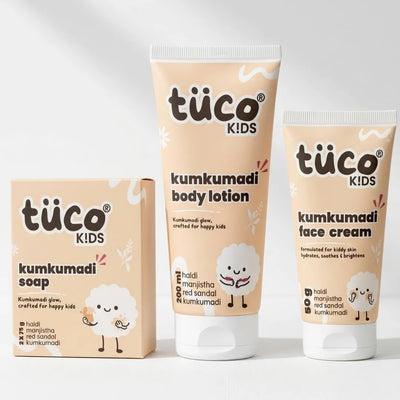
- Kumkumadi face cream
- Specifically addresses dullness
- Natural ingredients (saffron, turmeric)
Kumkumadi Glow Kit (Alternate):
- Similar formulation
- Face wash + cream system
- Brightening, evening tone
For complete skin care:
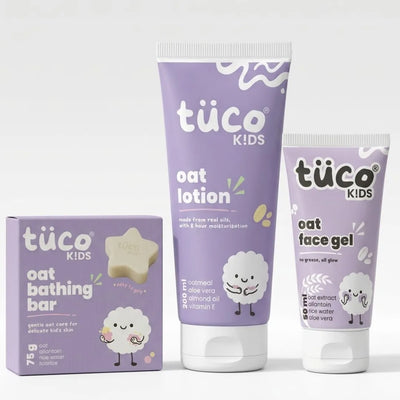
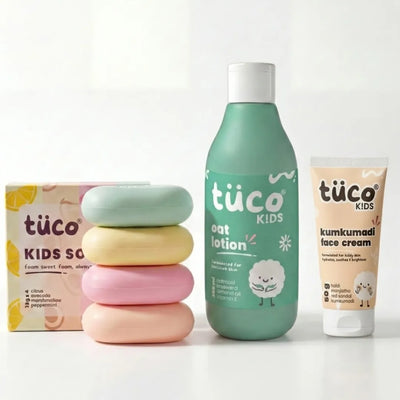
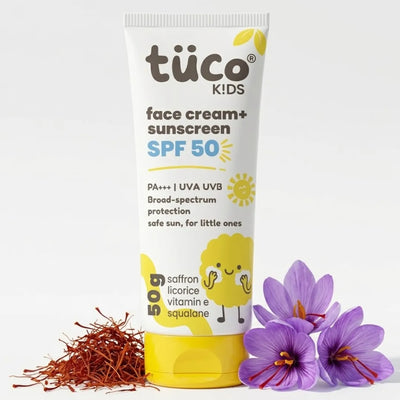
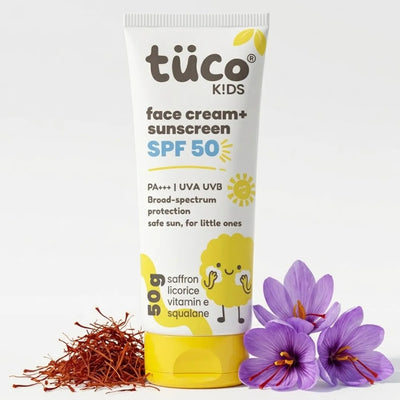
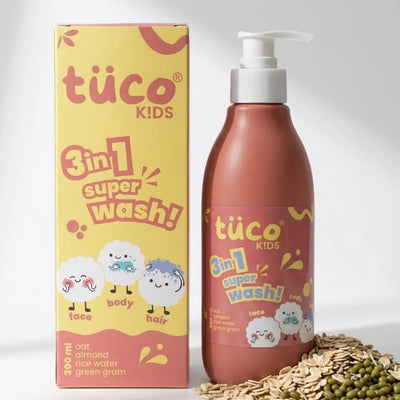
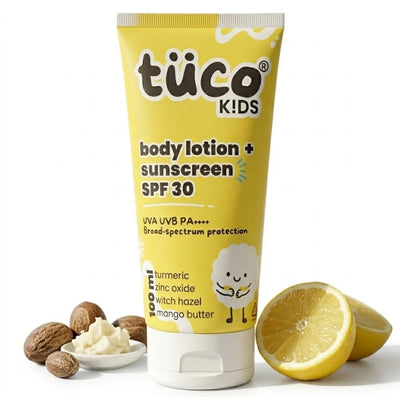
- Soap, lotion, SPF 50 sunscreen, face cleanser
- Comprehensive system
- Body and face care
- Sun protection included
These products work synergistically with good nutrition—internal nourishment + external protection = best results.
For comprehensive soap guidance: 10 Best Moisturizing Soaps in India for Dry Skin
For age-specific cleansing: Best Soap and Face Washes for Pre-Teens and Teenager Kids
Tips for Picky Eaters
The challenge many parents face:
Making Nutrition Palatable
Strategies that work:
1. Hide vegetables:
- Smoothies (spinach in fruit smoothies undetectable)
- Sauces (pureed vegetables in pasta sauce)
- Baked goods (zucchini bread, carrot muffins)
- Soups (blended vegetable soups)
2. Fun presentations:
- Fruit kabobs
- Vegetable "trees" (broccoli)
- Colorful plates
- Creative shapes
3. Involve children:
- Grocery shopping (let them choose produce)
- Cooking (more likely to eat what they helped make)
- Growing food (even small herb garden)
4. Small, repeated exposures:
- Research shows need 10-15 exposures to accept new food
- Don't give up after one rejection
- Keep offering without pressure
5. Model good eating:
- Children eat what parents eat
- Make healthy eating family norm
6. Don't force:
- Creates negative associations
- Offer, encourage, don't battle
The Bottom Line
Bringing it all together:
The Core Message
In conclusion, nurturing your child's radiant skin involves a holistic approach, incorporating a bright skin diet tailored to their needs.
Key principles:
- Variety is crucial: Rainbow of colors = comprehensive nutrition
- Whole foods first: Minimally processed, nutrient-dense
- Hydration matters: Water and hydrating foods
- Consistency counts: Daily nourishment, not occasional
- Patience required: Skin improvement takes weeks to months
- External care complements: Good products + good nutrition = best results
The Essential Foods Recap
For bright, healthy children's skin, prioritize:
Fruits: Berries, citrus, watermelon, papaya, mango, kiwi, pomegranate Vegetables: Carrots, sweet potatoes, tomatoes, leafy greens, bell peppers, broccoli, cucumber Proteins: Eggs, fish (especially fatty fish), chicken, legumes, dairy (if tolerated) Healthy fats: Avocados, nuts, seeds, fatty fish, olive oil Whole grains: Brown rice, oats, whole wheat, quinoa Hydration: Adequate water, hydrating foods
The Products That Support This
External care for dull skin:
- Kumkumadi Glow Kit: Face wash + cream
- Kumkumadi Glow Kit (Alternate): Similar system
- Ultimate Dull Skin Kit: Complete care
By understanding the importance of specific foods and their impact on skin health, you can ensure that your child's complexion remains bright, shiny, and naturally glowing.
Start Today
Actionable first steps:
- Assess current diet: What's missing?
- Add one new skin-healthy food daily: Build gradually
- Increase water intake: Simple, effective
- Reduce processed foods: Focus on whole foods
- Use appropriate external products: Support from outside
- Be patient: Results take time
- Make it fun: Involve children in process
Start making these dietary changes today for a healthier and more vibrant tomorrow.
Your child's skin is a window into their overall health. Dull, dry, problematic skin often signals nutritional gaps or health issues. Bright, radiant skin reflects good nutrition, adequate hydration, and overall wellness.
The foods you choose to feed your child today build the skin they'll have for decades. Invest in nutrition now, and watch their natural radiance shine through—not because you've changed their skin, but because you've supported its optimal health.
Because truly beautiful skin doesn't come from a bottle—it comes from within.
Related Resources: