






Ayurvedic Tips for Healthy and Glowing Skin in Kids: Ancient Wisdom for Modern Children
Your 10-year-old daughter's skin looks dull and tired. Dark circles under her eyes, dry patches on her cheeks, occasional breakouts on her forehead. Your pediatrician says it's normal, but you want more than "normal"—you want her skin to glow with health. Your mother suggests Ayurvedic remedies: "We've maintained healthy skin for generations this way." But you're uncertain—can ancient practices really address modern skin challenges like pollution, processed foods, and screen time? How do you apply 5,000-year-old wisdom to a child with a busy schedule, school lunches, and weekend sports? And which Ayurvedic principles actually work for children's unique skin needs?
The soft, delicate skin of children holds a special allure, reflecting their innocence and vitality. As caregivers, ensuring the health and radiance of our children's skin is a priority. In this comprehensive guide, we delve into the timeless wisdom of Ayurveda, offering valuable insights and practices to maintain healthy and glowing skin in kids—adapted thoughtfully for modern lifestyles while honoring traditional knowledge.
Understanding Ayurveda's Perspective on Skin Health
The holistic foundation:
Ayurveda, the ancient Indian system of medicine, views skin health as a reflection of overall well-being. According to Ayurvedic principles, the skin is a mirror that reflects the balance or imbalance of the doshas—Vata, Pitta, and Kapha.
The Three Doshas and Skin
When these doshas are in harmony, the skin radiates health and vitality. However, imbalances can manifest as various skin issues such as dryness, inflammation, or acne.
Vata (Air + Ether):
- Characteristics: Dry, rough, cold, light, mobile
- Balanced Vata skin: Soft, smooth, slightly cool
- Imbalanced Vata skin: Dry, rough, flaky, premature aging, sensitive
Pitta (Fire + Water):
- Characteristics: Hot, sharp, oily, intense
- Balanced Pitta skin: Warm, radiant, slightly oily, smooth
- Imbalanced Pitta skin: Redness, inflammation, acne, rashes, sensitivity to sun
Kapha (Water + Earth):
- Characteristics: Heavy, cool, oily, stable
- Balanced Kapha skin: Smooth, moist, thick, resilient
- Imbalanced Kapha skin: Oily, congested pores, blackheads, sluggish, dull
Understanding Your Child's Constitution
Every child has unique doshic makeup (prakriti):
- Some children predominantly Vata (tend toward dryness)
- Some primarily Pitta (prone to redness, sensitivity)
- Some mainly Kapha (oily, congested)
- Most are combination
Why this matters: Ayurvedic skincare for children addresses individual constitution, not one-size-fits-all approach.
Nurturing Skin Health with Ayurvedic Principles
Practical applications for modern children:
1. Balanced Diet for Healthy Skin
Ayurveda emphasizes the importance of a balanced diet for maintaining healthy skin.
The connection: Skin health from within—what children eat directly affects how their skin looks.
Incorporating nourishing foods such as fresh fruits, vegetables, whole grains, and healthy fats supports optimal skin health.
Skin-supporting foods:
Fresh fruits (seasonal, locally grown):
- Vitamin C-rich: Oranges, guavas, papaya, strawberries (skin brightness, collagen)
- Antioxidant-rich: Berries, pomegranate (protection from damage)
- Hydrating: Watermelon, cucumber, melons (internal moisture)
Vegetables (variety of colors):
- Leafy greens: Spinach, fenugreek (vitamins, minerals)
- Orange vegetables: Carrots, sweet potato (beta-carotene for skin health)
- Cruciferous: Broccoli, cauliflower (detoxification support)
Whole grains (over refined):
- Brown rice, whole wheat, millets, oats
- B vitamins supporting skin health
- Sustained energy (stable blood sugar = balanced skin)
Healthy fats (essential for skin):
- Ghee (clarified butter): Traditional Ayurvedic superfood
- Nuts and seeds: Almonds, walnuts, pumpkin seeds
- Coconut: Oil and fresh coconut
- Supports skin barrier, moisture, vitamin absorption
Additionally, including herbs and spices like turmeric, neem, and amla can purify the blood and promote clear skin.
Ayurvedic herbs and spices:
Turmeric (Haldi):
- Anti-inflammatory, antioxidant
- Blood purifier
- Glowing skin benefits well-documented
- Add to milk, curries, vegetables (small amounts)
Neem:
- Powerful antibacterial, antifungal
- Blood purification
- Acne prevention
- Traditionally consumed in small amounts (bitter—harder for children)
Amla (Indian Gooseberry):
- Highest natural vitamin C source
- Antioxidant powerhouse
- Supports collagen, skin brightness
- Fresh, dried, powder, or murabba form
Other beneficial spices:
- Saffron (kesar): Skin radiance
- Sandalwood: Cooling, soothing
- Coriander: Cooling, detoxifying
- Fennel: Digestive support (healthy digestion = healthy skin)
2. Hydration: Internal Moisture
Adequate hydration is essential for skin health according to Ayurveda.
The principle: Healthy glowing skin for kids requires proper internal hydration—dry body = dry skin.
Encourage children to drink plenty of water throughout the day to keep their skin hydrated and supple.
Age-specific water needs:
- Ages 4-8: 5 cups (40 oz) daily
- Ages 9-13: 7-8 cups (56-64 oz) daily
- Teens: 8-11 cups (64-88 oz) daily
Infusing water with cooling herbs like mint or cucumber adds a refreshing touch and helps balance Pitta dosha, which governs the skin.
Ayurvedic hydration enhancements:
- Mint water: Cooling, refreshing, Pitta-balancing
- Cucumber water: Hydrating, cooling
- Fennel water: Digestive support
- Coriander water: Cooling, detoxifying
- Rose water (small amount): Cooling, skin-supporting
Timing: Sip throughout day (not large amounts at once)—consistent hydration better than chugging.
3. Daily Routine (Dinacharya): Consistency and Rhythm
Establishing a daily routine aligned with natural rhythms is key in Ayurveda.
The concept: Dinacharya (daily routine) creates stability, supports body's natural rhythms, promotes balance.
Encourage children to follow a consistent routine that includes regular bathing, moisturizing, and sun protection.
Age-appropriate daily routine:
Morning:
- Wake at consistent time (ideally before 7 AM)
- Elimination (healthy bowel movement supports clear skin)
- Gentle cleansing
- Moisturizing
- Sun protection
- Nourishing breakfast
Evening:
- Bath/shower (washing away day's dirt, pollution)
- Gentle cleansing
- Moisturizing
- Calming activities
- Early bedtime (before 10 PM ideal)
Using gentle, natural skincare products that are free from harsh chemicals helps maintain the skin's natural balance.
Natural skincare for children: Formulated products incorporating Ayurvedic ingredients but with modern safety, convenience.
4. Abhyanga (Oil Massage): Nourishing Touch
The practice of abhyanga, or oil massage, is highly valued in Ayurveda for its nourishing and rejuvenating effects on the skin.
Traditional practice: Daily self-massage with warm oil before bathing.
Massaging warm sesame or coconut oil onto the skin before bathing helps moisturize, soften, and protect the skin. It also promotes relaxation and improves circulation, enhancing overall skin health.
Benefits for children:
- Deep moisturization
- Improved circulation
- Calming, grounding effect
- Bonding time (parent massaging child)
- Supports healthy skin for kids
Practical application (adapted for modern families):
Frequency: 2-3 times weekly (daily ideal but unrealistic for most families)
Oils by dosha:
- Vata skin (dry): Sesame oil (warming, heavy)
- Pitta skin (sensitive): Coconut oil (cooling)
- Kapha skin (oily): Light sesame or sunflower oil
Technique:
- Warm oil slightly (comfortable temperature)
- Apply to entire body in long strokes (limbs) and circular motions (joints)
- Massage 5-10 minutes
- Let absorb 10-20 minutes
- Warm bath or shower
- Pat dry gently
Weekend ritual: Easier to implement on less rushed days.
5. Herbal Remedies: Targeted Natural Solutions
Ayurveda offers a treasure trove of herbal remedies for addressing specific skin concerns.
The principle: Nature provides solutions—plants, herbs contain compounds supporting skin health.
For instance, applying a paste of sandalwood or turmeric can soothe irritated skin, while neem oil helps combat acne and inflammation.
**Common childhood skin issues and Ayurvedic remedies for kids' skin:
Dryness:
- Moisturizing oils (sesame, coconut, almond)
- Ghee application (very dry areas)
- Aloe vera gel (cooling, hydrating)
Irritation/redness:
- Sandalwood paste (cooling, soothing)
- Turmeric + yogurt (anti-inflammatory)
- Rose water (cooling, calming)
Acne/breakouts (pre-teens, teens):
- Neem products (antibacterial, anti-inflammatory)
- Turmeric (reduces inflammation)
- Fuller's earth (multani mitti) masks (oil absorption, deep cleansing)
Uneven tone/dullness:
- Saffron (brightening)
- Turmeric (evening tone)
- Kumkumadi preparations (traditional Ayurvedic formula for radiance)
Consult with an Ayurvedic practitioner to find the most suitable remedies for your child's skin.
Important: Even natural remedies need proper guidance—individualized approach best.
6. Sun Protection: Balanced Exposure
While sunlight is essential for vitamin D synthesis, overexposure can harm the skin, especially in children.
Ayurvedic perspective: Sun is Pitta-aggravating—beneficial in moderation, harmful in excess.
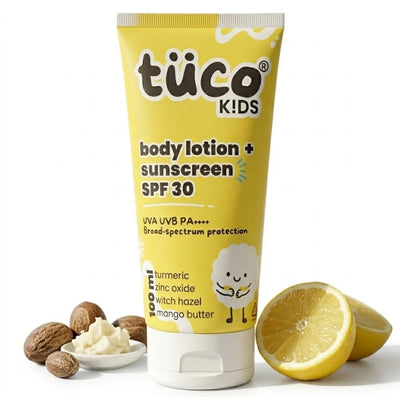
Ayurveda recommends protecting the skin from excessive sun exposure by seeking shade, wearing protective clothing, and using natural sunscreen options like zinc oxide or coconut oil.
**Practical sun protection for kids' skin:
- Morning sun (before 10 AM): Beneficial, gentle
- Midday sun (10 AM - 4 PM): Avoid or protect
- Protective clothing: Hats, light long sleeves
- Shade: Seek during peak hours
- Sunscreen: Mineral-based (zinc oxide, titanium dioxide) + Ayurvedic oils
Natural options with limitations:
- Coconut oil: ~SPF 4-8 (insufficient alone)
- Sesame oil: ~SPF 4 (insufficient alone)
- Better: Formulated sunscreen with natural ingredients
Recommended products:
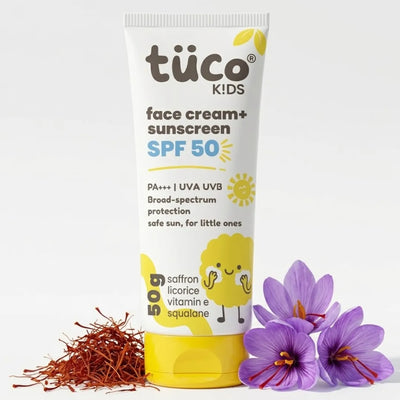
- Ultimate Dull Skin Kit: Includes SPF 50 sunscreen
- Mineral-based broad-spectrum SPF 30-50
Balance: Some sun exposure (vitamin D, circadian rhythm) + adequate protection (prevent damage).
7. Stress Management: Calm Mind, Healthy Skin
Stress can adversely affect skin health by exacerbating imbalances in the doshas.
The connection: Stress → hormonal changes, inflammation → skin issues (breakouts, dullness, irritation).
Even children experience stress: Academic pressure, social challenges, family changes, overscheduling.
Encourage children to engage in calming activities such as yoga, meditation, or spending time in nature to reduce stress levels and promote skin health.
Age-appropriate stress reduction:
Young children (4-8):
- Outdoor play
- Creative activities (art, music)
- Simple breathing exercises
- Story time, cuddles
- Adequate unstructured time
Older children (9-12):
- Yoga (child-friendly)
- Nature time
- Hobbies, creative outlets
- Mindfulness activities
- Balanced schedule (not overscheduled)
Teens:
- Yoga, meditation
- Exercise, sports
- Social connection
- Adequate downtime
- Screen time limits
Result: Reduced stress → balanced doshas → healthy glowing skin for children.
8. Sleep Quality: Restoration and Repair
Quality sleep is vital for overall health and well-being, including skin health.
Ayurvedic principle: Night is Pitta time (10 PM - 2 AM)—body's natural repair period. Sleep during this window crucial.
Establishing a calming bedtime routine and ensuring children get adequate restorative sleep supports the body's natural healing processes, enhancing the skin's radiance.
Age-specific sleep needs:
- Ages 6-12: 9-12 hours
- Teens: 8-10 hours
Calming bedtime routine (Ayurvedic tips for kids' skin health):
- Consistent bedtime (ideally before 10 PM)
- Warm bath
- Gentle abhyanga (oil massage)
- Dim lights (reduce Pitta stimulation)
- No screens 1-2 hours before bed
- Calming activity (reading, gentle music)
- Cool, dark bedroom
Result: Deep restorative sleep → skin repair, renewal → glowing skin in kids.
Complete Ayurvedic Skincare Systems for Children
Modern formulations with traditional wisdom:
Formulated Products Incorporating Ayurvedic Principles
Balancing tradition with convenience:
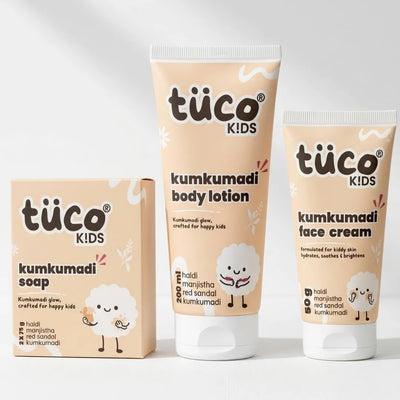
- Kumkumadi Face Cream + Dull Skin Face Wash
- Kumkumadi: Traditional Ayurvedic formula (saffron, sandalwood, herbs)
- Addresses uneven tone, dullness
- Modern formulation, ancient ingredients
- Soap + Lotion (100ml) + Sunscreen SPF 50 + Face Cleanser
- Complete system addressing dullness
- Likely incorporates brightening Ayurvedic herbs
- Comprehensive skincare for children
- Dull Skin Face Wash + Kumkumadi Face Cream
- Kumkumadi for glowing skin tradition
- Age-appropriate formulation
- Convenient application
Benefits of formulated products:
- Tested safety
- Appropriate concentrations
- Convenient application
- Consistent results
- Ayurvedic ingredients + modern science
Gentle Cleansing Options
Foundation of healthy skin routine for kids:
- Best Kids Soap In India: Gentle, Safe And Effective
- 10 Best Moisturizing Soaps In India For Dry Skin
- Best Soap And Face Washes For Pre-Teens And Teenagers
Ayurvedic approach: Gentle cleansing preserving skin's natural oils, balance.
Practical Implementation: Ayurveda for Modern Children
Making ancient wisdom work today:
Creating Sustainable Routines
The challenge: Traditional Ayurvedic routines comprehensive but time-intensive—modern families need practical adaptations.
Realistic approach:
Daily non-negotiables (10 minutes):
- Gentle cleansing (morning, evening)
- Moisturizing
- Sun protection (morning)
- Adequate water intake
Weekly enhancements (30-60 minutes):
- Abhyanga (oil massage) 2-3 times
- Herbal face mask once
- Hair oil treatment
Seasonal adjustments:
- Summer: Cooling practices (coconut oil, rose water, lighter foods)
- Winter: Warming practices (sesame oil, warming spices, grounding foods)
- Monsoon: Drying practices (avoid excess oil, focus on hygiene)
Teaching Children Ayurvedic Principles
Age-appropriate education:
Young children (4-8):
- Simple concepts (warm food, cool food)
- Learning through experience (oil massage feels good)
- Establishing routines
Older children (9-12):
- Understanding dosha concept (basic)
- Connecting food/lifestyle with how they feel
- Taking increasing responsibility for routines
Teens:
- Deeper understanding of Ayurvedic principles
- Self-assessment of imbalances
- Independent routine maintenance
- Making informed choices
Balancing Tradition and Modern Life
Integration strategies:
What works:
- Simple daily routines (sustainable)
- Weekend intensive treatments (realistic timing)
- Quality formulated products (convenience)
- Understanding principles (informed choices)
What doesn't work:
- Overly complex regimens (abandonment)
- All-or-nothing approach (failure when can't do everything)
- Ignoring modern realities (school schedules, etc.)
Best approach: Ayurvedic skincare for kids adapted thoughtfully—honoring wisdom, accommodating reality.
When to Seek Professional Help
Recognizing limitations:
Consult Ayurvedic Practitioner
When helpful:
- Understanding child's constitution (prakriti)
- Persistent skin issues despite home care
- Guidance on herbal remedies
- Personalized dietary recommendations
- Dosha-specific routine design
Consult Pediatric Dermatologist
When necessary:
- Severe or worsening skin conditions
- Infections (bacterial, fungal)
- Unclear diagnosis
- No improvement with Ayurvedic approaches
- Child distressed
Integrative approach: Ayurveda AND modern medicine—not either/or.
The Bottom Line
Ayurveda for children's skin: Ancient wisdom, modern application.
Key Takeaways
Ayurvedic principles for healthy glowing skin in kids: ✓ Balanced diet (fresh, seasonal, whole foods) ✓ Adequate hydration (6-8 cups water daily) ✓ Consistent daily routine (dinacharya) ✓ Abhyanga (oil massage 2-3x weekly) ✓ Herbal remedies (turmeric, neem, saffron) ✓ Balanced sun exposure (protection + some exposure) ✓ Stress management (calming activities, balanced schedule) ✓ Quality sleep (9-12 hours, before 10 PM)
Modern formulated products incorporating Ayurvedic ingredients: ✓ Patchy Skin Kit (Kumkumadi-based) ✓ Ultimate Dull Skin Kit (complete system) ✓ Kumkumadi Glow Kit (traditional formula)
Practical implementation: ✓ Daily basics (10 minutes) ✓ Weekly treatments (30-60 minutes) ✓ Age-appropriate routines ✓ Sustainable, not perfect
The Core Message
Incorporating Ayurvedic principles into your child's skincare routine can nurture healthy and glowing skin from within.
The holistic truth: Skin health reflects overall health—Ayurveda addresses root causes (diet, lifestyle, stress, sleep) not just surface symptoms.
By embracing a holistic approach that addresses diet, lifestyle, and herbal remedies, you can support your child's skin health and overall well-being.
Remember, every child is unique, so listen to their body's cues and consult with an Ayurvedic practitioner for personalized guidance.
Practical reality:
- 5,000-year-old wisdom has value
- But modern children, modern context
- Thoughtful adaptation needed
- Combine ancient knowledge + modern formulations
With mindful care and attention, you can help your little ones radiate with vibrant health and vitality.
The goal isn't perfection—it's progress. Start with simple changes: better diet, consistent routine, quality products, adequate sleep. Small shifts accumulate into glowing, healthy skin that reflects your child's inner vitality.
Your child's skin is indeed a mirror—reflecting not just dosha balance, but overall health, care, love. Ayurvedic principles provide framework for supporting that health comprehensively, gently, effectively.
Related Resources: