



Winter Skin Peeling in Kids: Complete Guide for Hands, Feet, and Face
Your 7-year-old daughter refuses to go to school. She's crying, holding out her hands—palms covered in large white peeling patches, knuckles raw and flaking. Classmates teased her yesterday, calling her hands "gross." Your 10-year-old son's feet are so dry and peeling that pulling off his socks reveals sheets of dead skin. Your kindergartener's face has visible white flakes around her nose and cheeks, and she's scratching constantly. You've tried regular lotion, but it doesn't seem to help. The peeling gets worse daily. Is this just "dry skin," or something more serious? How do you stop the embarrassing peeling? And honestly, why does winter turn your children's smooth skin into this flaky, peeling mess?
Visible skin peeling on children's hands, feet, and faces during winter embarrasses kids at school while indicating underlying dryness requiring proper attention. This isn't superficial—severe peeling signals skin barrier breakdown, requiring targeted intervention beyond basic moisturizing.
Understanding why winter causes this dramatic peeling and implementing targeted care for each affected area restores smooth healthy skin throughout cold season. This comprehensive guide explains the mechanisms behind winter skin peeling, area-specific treatment protocols, prevention strategies, and when to seek medical help—because children's comfort and confidence matter.
Why Winter Causes Skin Peeling
The underlying mechanisms:
1. Severe Moisture Loss
Winter air strips water from skin surfaces continuously. When moisture loss becomes severe enough, the outermost dead skin layer loses cohesion and begins peeling away in visible flakes and sheets.
The process:
- Low humidity: Winter air (indoor heated, outdoor cold) = very low moisture content
- Transepidermal water loss (TEWL): Water evaporates from skin constantly
- Insufficient replenishment: Without adequate moisturizing, loss exceeds replacement
- Loss of intercellular "glue": Lipids holding dead skin cells together break down
- Visible peeling: Cells separate, flake off in sheets
This peeling represents extreme dryness stage beyond simple roughness or tightness. Skin has become so dehydrated that normal shedding process breaks down completely.
2. Accelerated Cell Turnover
Cold weather stress accelerates skin cell turnover as body attempts to replace damaged surface cells. This faster-than-normal renewal process creates more dead cells than skin can shed efficiently, leading to visible peeling accumulation.
The mechanism:
- Normal turnover: 28-40 days (skin cells born → rise to surface → shed)
- Winter stress response: Body accelerates replacement of damaged cells
- Overproduction: More dead cells generated than can shed normally
- Accumulation: Excess dead cells pile up, peel visibly
The combination of increased dead cell production plus severe dryness preventing normal shedding creates perfect conditions for dramatic peeling.
3. Barrier Damage
Winter conditions damage skin's protective barrier through cold exposure, indoor heating, harsh soaps, and inadequate moisturizing. This compromised barrier cannot hold cells together properly allowing them to peel away prematurely.
Barrier damage from:
- Cold wind stripping oils: Removes natural protective sebum
- Hot water washing: Dissolves lipid barrier
- Harsh cleansing products: Surfactants strip oils excessively
- Insufficient moisturizing: Doesn't replace lost lipids
- Constant environmental stress: No recovery time
Result: Compromised barrier = cells separate easily = peeling.
4. Area-Specific Vulnerability
Hands, feet, and faces show worst peeling because these areas face maximum exposure. Hands wash frequently and touch everything. Feet bear weight and friction from shoes. Faces remain exposed constantly to cold air and wind.
Body skin under protective clothing shows minimal peeling compared to these constantly exposed vulnerable areas.
For Indian children: North India winters (Delhi, Punjab, Himachal) particularly harsh—cold, dry air plus indoor heating = severe peeling. Even milder climates show peeling from temperature fluctuations.
Hand Peeling Problems
The most affected area:
Why Hands Peel Worst
Children's hands endure more winter abuse than any other body part. Frequent handwashing with harsh soaps, cold outdoor exposure during play, constant touching of surfaces, and minimal protection create perfect peeling conditions.
Hand abuse factors:
- Frequent washing: 10-15+ times daily (bathroom, before meals, after play)
- School requirements: COVID-era emphasis on hand hygiene = even more washing
- Harsh school soaps: Institutional products rarely gentle
- No protection: Bare hands in cold during play, walking
- Constant use: Touching, grasping, writing = friction
School requirements for frequent handwashing particularly during winter illness season compound the problem. Hands may get washed 10-15 times daily with harsh school soaps.
Recognizing Hand Peeling Stages
Early stage shows slight roughness and beginning white flakes on knuckles.
Moderate peeling features visible skin sheets lifting from fingers, palms, and backs of hands.
Severe cases develop thick peeling patches with possible cracks and bleeding.
The progression from early to severe happens quickly without intervention. Days of neglect turn minor roughness into painful severe peeling.
Emotional impact: Visible hand peeling = embarrassment, teasing, self-consciousness. Address seriously, not dismiss as vanity.
Targeted Hand Treatment
Apply hand cream after every single handwashing without exception. This consistent reapplication replaces oils stripped by washing preventing cumulative damage.
Hand care routine:
- Keep cream by every sink (bathroom, kitchen)
- Apply immediately after washing (within 1-2 minutes)
- Use generous amounts (coin-sized per application)
- Massage into knuckles thoroughly (worst-affected areas)
- Reapply whenever hands feel dry
Frequency matters more than amount: Better to apply thin layer 12 times daily than thick layer twice.
Intensive Overnight Hand Treatment
For severe hand peeling, intensive overnight treatment works remarkably well.
Method:
- Evening: Apply very thick layer of moisturizing cream to hands
- Put on soft cotton gloves (clean, dedicated for this purpose)
- Sleep wearing gloves allowing extended treatment time (8+ hours)
- Morning: Remove gloves—hands show dramatic improvement
Why it works: Extended contact time + occlusion (gloves trap moisture) = deep penetration, intensive repair.
Frequency: Nightly until severe peeling resolves, then 2-3x weekly maintenance.
School Day Hand Protection
Pack travel-size hand cream in school bag along with lunch and books. Teach children to apply after every bathroom handwashing. This school-day protection prevents the severe dryness accumulating during 6-7 hour school days.
Practical strategies:
- Small tube/bottle (easy to carry)
- Keep in pencil case or pocket
- Apply after each bathroom visit
- Quick application (10 seconds)
Request teachers allow children to keep hand cream at desks for easy access. Most teachers cooperate when understanding the medical necessity.
If school resistant: Doctor's note may help ("Medical necessity for skin condition").
Foot Peeling Management
Hidden but severe:
Why Feet Develop Severe Peeling
Feet bear body weight creating pressure and friction. Shoes and socks trap moisture then allow rapid drying. The thick skin on feet becomes extremely dry developing dramatic peeling visible when removing socks.
Foot vulnerability factors:
- Weight-bearing pressure: Compresses skin constantly
- Friction: Shoes, socks rubbing
- Moisture cycles: Sweat → damp → rapid drying (repeat)
- Thick skin: Soles, heels naturally thicker = more dramatic peeling
- Hidden from view: Often neglected until severe
Children often ignore foot discomfort until peeling becomes severe enough to cause pain or visible bleeding. Early intervention prevents this progression.
Foot Peeling Patterns
Heel areas show worst peeling with thick white or yellow flakes.
Ball of foot develops roughness and peeling from walking pressure.
Between toes may peel from moisture then drying cycles.
Soles can develop large peeling patches.
Pattern recognition helps target treatment.
Intensive Foot Treatment
Weekly intensive care:
1. Soak:
- Soak feet in lukewarm water for 5-10 minutes softening dead peeling skin
- Add gentle soap or oil if desired
- Not too hot (damages skin further)
2. Gentle exfoliation:
- Gently remove loosened peeling skin with soft pumice stone or foot file
- Don't scrub aggressively; work gently over several sessions rather than trying to remove everything immediately
- Focus on heels, balls of feet
- Stop if any pain or bleeding
3. Moisturize intensively:
- After soaking and gentle exfoliation, pat feet dry thoroughly especially between toes (moisture trapped between toes = fungal risk)
- Apply very generous amounts of rich moisturizing cream focusing on heels, balls of feet, and any peeling areas
- Put on clean cotton socks immediately trapping moisture
Weekly foot care schedule:
- Sunday: Full soak, gentle exfoliation, intensive moisturizing
- Wednesday: Quick soak, moisturizing, socks
- Daily: Morning and night moisturizing
This consistent attention prevents peeling from worsening while gradually restoring smooth skin.
Overnight Foot Treatment
The most effective foot peeling treatment happens overnight.
Method:
- After evening bath: Apply extra-thick layer of moisturizing lotion to feet
- Put on cotton socks before bed
- Sleep with covered feet allowing 8-10 hours treatment time
- Morning feet feel dramatically softer
Continue nightly treatment until peeling resolves then maintain with several times weekly application.
Proper Footwear
Ensure shoes fit properly without excessive rubbing. Poorly fitting shoes create friction worsening peeling.
Cotton socks breathe better than synthetic ones preventing moisture-trap-and-dry cycles that worsen peeling.
Change socks daily without fail. Yesterday's socks contain dead skin cells and bacteria that irritate skin when reworn.
For winter: Warm but breathable shoes, quality cotton socks.
Facial Peeling Care
Most visible, most embarrassing:
Face Peeling Characteristics
Facial peeling often looks like white flaky patches on cheeks, around nose, on forehead, or around mouth. This visible peeling embarrasses school-age children making them self-conscious about appearance.
Face peeling may accompany redness and irritation indicating inflammation alongside dryness.
Common patterns:
- Cheeks: Largest peeling patches
- Around nose: Flaking, redness
- Forehead: Fine flaking
- Around mouth (perioral area): Peeling, chapping
- Eyebrows: Flaky skin within/under brows
Gentle Facial Cleansing
Use mild face wash designed for children's sensitive skin. Harsh cleansers worsen facial peeling by stripping additional oils from already compromised skin.
Wash with lukewarm water twice daily. Pat dry gently leaving slightly damp. Avoid aggressive rubbing that removes more skin worsening peeling appearance.
Quality gentle cleansers:
- Best Soap And Face Washes For Pre-Teens And Teenagers
- 10 Best Moisturizing Soaps In India For Dry Skin
Related: Is Soap Necessary For Bathing Young Children Every Day
Face-Specific Moisturizing
Apply gentle facial moisturizer suitable for children immediately after cleansing. Products designed specifically for faces work better than body lotions which may be too heavy or contain ingredients unsuitable for delicate facial skin.
Apply twice daily minimum: morning before school and evening before bed. Increase to 3-4 times daily if peeling persists.
Quality facial moisturizers:
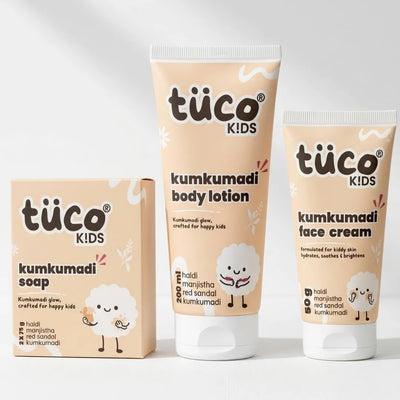
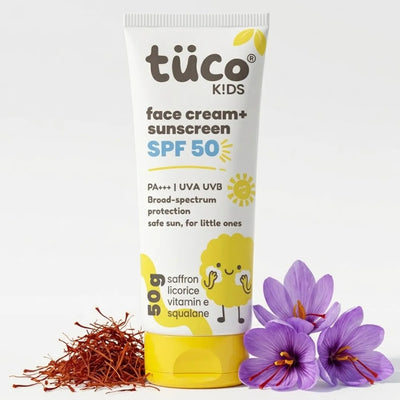
- Kumkumadi Face Cream + Dull Skin Face Wash
- Addresses dryness, peeling, dullness
- Traditional ingredients
- Complete facial care system
- Gentle cleansing + nourishing cream
- Suitable for sensitive, peeling skin
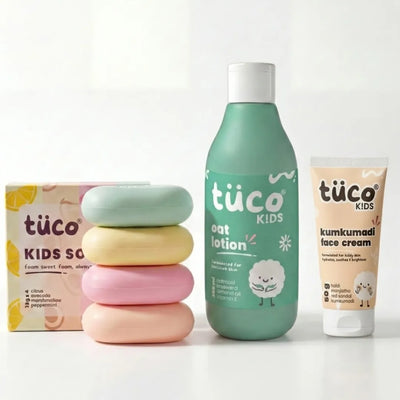
- Face Cleanser + Lotion + Sunscreen + Soap
- Comprehensive face and body care
- Addresses multiple winter skin issues
For natural glow restoration alongside peeling treatment, products containing traditional brightening ingredients work well. These address both dryness and dullness simultaneously.
Avoiding Facial Peeling Triggers
Don't let children lick lips excessively. Saliva worsens lip and perioral peeling. Keep lips protected with gentle lip balm reapplied frequently.
Why licking worsens:
- Saliva contains digestive enzymes
- Breaks down skin around mouth
- Evaporation = more dryness
- Cycle: lick → temporary relief → worse dryness → lick more
Avoid face touching and picking at peeling skin. This damages healing skin and spreads bacteria potentially causing infections.
Teach children: Hands off face, apply cream instead.
Prevention Through Proper Care
Stopping peeling before it starts:
Daily Moisturizing Routine
Establish non-negotiable daily moisturizing covering all vulnerable areas. Morning application before school prepares skin for day's stresses. Evening application supports overnight healing.
Complete daily routine:
- Morning: Hands, feet, face after washing (prepare for day)
- Midday: Hand reapplication after washing (school maintenance)
- Evening: Intensive application all areas (repair damage)
- Bedtime: Extra treatment on worst areas (overnight healing)
This comprehensive consistent care prevents peeling from developing rather than fighting it after it appears.
Consistency = key: Daily routine better than occasional intensive treatment.
Adequate Hydration
Internal hydration supports external moisture. Ensure children drink 6-8 glasses water daily even when cold weather reduces thirst signals.
Dehydrated bodies cannot maintain healthy skin regardless of external moisturizer application. Water intake matters as much as topical treatment.
Practical tips:
- Water bottle at school
- Warm water/herbal tea (more appealing in winter)
- Hydrating foods (soups, fruits)
- Track intake (sticker chart for young children)
Gentle Product Selection
Use only mild cleansers suitable for children throughout winter. Harsh products strip oils accelerating peeling development.
Check all soaps, shampoos, and cleansers ensuring they're formulated for sensitive skin. Switch any harsh products to gentler alternatives.
What to avoid:
- Strong antibacterial soaps (too harsh)
- Alcohol-based hand sanitizers (very drying—use when necessary, moisturize after)
- Synthetic fragrances
- Sulfates (SLS, SLES)
Quality options: Best Kids Soap In India
Environmental Humidity
Maintain 40-50% indoor humidity reducing rate at which skin loses moisture. This environmental control prevents problems topical products alone cannot address.
Run humidifiers in bedrooms and main living areas throughout winter season.
Benefits:
- Slows moisture loss from skin
- Easier breathing (bonus!)
- Reduces static electricity
- Protects wood furniture (added incentive)
For Indian homes: Particularly important in North during winter (very dry air); less critical in coastal areas but still helpful.
When Peeling Indicates Problems
Knowing when to seek help:
Persistent Severe Peeling
If peeling doesn't improve after 2-3 weeks of consistent good care, consult pediatrician or dermatologist. Persistent problems may indicate conditions beyond simple winter dryness.
Possible underlying causes:
- Eczema (atopic dermatitis)
- Psoriasis
- Contact dermatitis (allergic reaction)
- Fungal infections (especially feet)
- Nutritional deficiencies (zinc, essential fatty acids, vitamins)
Professional evaluation identifies whether medical treatment is necessary.
Peeling with Other Symptoms
Peeling accompanied by bleeding, severe pain, signs of infection (pus, warmth, swelling), or spreading rashes requires immediate medical attention.
Red flags:
- Bleeding, cracks not healing
- Pus, yellow crusting
- Fever, spreading redness
- Severe pain, discomfort
- Rapid worsening despite treatment
Don't delay medical care when these signs present.
Peeling in Unusual Locations
While hands, feet, and faces commonly peel, peeling on torso, arms, or legs suggests conditions beyond typical winter dryness requiring evaluation.
Body-wide peeling may indicate:
- Systemic skin condition
- Medication reaction
- Underlying illness
Consult doctor if peeling widespread or atypical patterns.
Age-Specific Considerations
Tailoring approach:
Young Children (Ages 2-5)
Toddlers and preschoolers cannot communicate discomfort effectively. Watch for behaviors indicating peeling problems: excessive scratching, reluctance to wear shoes, or touching face constantly.
These young children need parent-applied treatments. Make application pleasant ritual rather than battle.
Strategies:
- Fun product names ("magic cream")
- Sing songs during application
- Let them "help" (hold bottle)
- Reward cooperation (stickers, praise)
School-Age Children (Ages 6-12)
Elementary students feel embarrassed by visible peeling especially on hands and face. Address concerns seriously rather than dismissing as vanity.
Teach these children to apply their own hand cream throughout the day building self-care skills.
Empowerment:
- Explain why peeling happens
- Teach proper application
- Provide portable products
- Respect their concerns
Teenagers (Ages 13+)
Teens experience both physical peeling problems and emotional stress about appearance. Provide them with effective products and teach proper techniques.
Respect their concerns about appearance understanding that visible peeling genuinely affects self-esteem and social interactions.
Approach:
- Quality products (not "baby" products)
- Teach independence
- Address appearance concerns seriously
- Connect to long-term skin health
Building Sustainable Habits
Long-term success:
Making Care Automatic
Place products where children see and use them automatically: hand cream by every sink, foot cream by bed, face cream on bathroom counter.
Visible convenient placement removes barriers to consistent use ensuring treatment happens regularly.
Strategic placement:
- Every bathroom sink
- Kitchen sink
- Beside bed (foot cream)
- School bag (portable hand cream)
- Car (if relevant)
Teaching Independence
As children mature, transfer moisturizing responsibility to them gradually. This builds lifelong habits supporting healthy skin throughout their lives.
Progressive independence:
- Ages 6-7: Supervised self-application
- Ages 8-10: Independent with reminders
- Ages 11+: Fully independent (spot-check)
Tracking Progress
Take photos documenting peeling severity initially and improvement over time. Visual progress motivates continued care when improvements seem gradual.
Documentation helps:
- Show improvement (encourages continuation)
- Identify what works
- Medical consultation (if needed—before/after photos helpful)
The Bottom Line
Winter skin peeling in kids: Treatable with proper care.
Key Takeaways
Why winter causes peeling: ✗ Severe moisture loss (low humidity, constant evaporation) ✗ Accelerated cell turnover (stress response, overproduction) ✗ Barrier damage (cold, washing, harsh products) ✗ Area-specific vulnerability (hands, feet, face most exposed)
Hand peeling treatment: ✓ Cream after every handwashing (10-15x daily) ✓ Intensive overnight glove treatment (severe cases) ✓ School-day portable cream (travel-size in bag) ✓ Generous amounts, focus on knuckles
Foot peeling treatment: ✓ Weekly soak + gentle exfoliation (5-10 min lukewarm water) ✓ Nightly thick moisturizing + cotton socks (overnight treatment) ✓ Proper footwear (good fit, breathable) ✓ Daily sock changes
Facial peeling treatment: ✓ Gentle cleansing (mild face wash, lukewarm water) ✓ Face-specific moisturizers 2-4x daily ✓ Quality products: Kumkumadi cream, gentle face wash ✓ Avoid triggers (lip licking, face touching)
Prevention strategies: ✓ Daily moisturizing routine (morning, midday, evening, bedtime) ✓ Adequate hydration (6-8 glasses water daily) ✓ Gentle products only (mild cleansers, no harsh soaps) ✓ Indoor humidity 40-50% (humidifiers)
When to see doctor: ✓ No improvement after 2-3 weeks proper care ✓ Bleeding, severe pain, infection signs ✓ Unusual location/pattern peeling ✓ Concerns about underlying condition
Quality care systems: ✓ Patchy Skin Kit ✓ Kumkumadi Glow Kit ✓ Ultimate Dull Skin Kit
The Core Message
Your daughter's embarrassing hand peeling will resolve with: cream after every handwashing (carry to school), intensive overnight glove treatment (nightly until improved), gentle hand soaps only. Within 1 week, noticeable improvement; 2-3 weeks, resolution.
Your son's severe foot peeling needs: weekly lukewarm soak + gentle pumice stone, thick cream + cotton socks nightly. Within 2 weeks, dramatic softening; 4 weeks, smooth feet.
Your kindergartener's facial flaking requires: gentle face wash twice daily, quality facial moisturizer 2-4x daily, lip balm frequently, no face touching. Within 1-2 weeks, clear improvement.
Start tonight: Intensive treatments (hand gloves, foot socks, facial cream), establish daily routine, pack school hand cream. Within days, you'll see improvement—restoring both smooth skin AND children's confidence.
Because winter doesn't have to mean embarrassing, painful peeling—proper understanding plus targeted consistent care restores healthy, comfortable skin throughout cold season.
Related Resources: